
AI Hot Takes #7: The Genie Is Out the Bottle, Now What? Bohemian AI Salon and Hot Takes from the Lower East Side
First, check out the most recent AI Hot Takes:
Bohemian AI Salon Spring Edition Recap: What Happened When We Asked a Room Full of People How They Really Feel About AI

Last week we hosted another edition of the Bohemian AI Salon as part of AI Week New York. We have done previous editions last fall for the first AIWeekNY, Lisbon AI Week and WebSummit. Each event has its own feel but they all share the same basic premise: get people talking to each other about their hopes, concerns and predictions around AI.
This one had a strong turnout and positive vibes. People were smiling and wanted to help. Several attendees came up afterward wanting to collaborate or participate in future versions of the AI salon. It’s nice to remember that people with different opinions can get along in person, which is better than how we often treat each other online.
Who registered
170 people registered and answered a few questions when they signed up:
About a third identified as builders or engineers
18% identified as users and practitioners
12% were people still trying to figure out AI
And there were smaller groups of people who identified their relationship to AI as being an artist, investor, researcher, educator, critic, or policy person
The governance and ethics contingent was technically only 3% of registrants, which surprised me, because almost everyone raised governance concerns when they were asked to weigh in.
The sticker system: A traffic light for AI policy
When people arrive they filled out their nametag and chose between a green, yellow, or red sticker. Green means broadly optimistic or accelerationist, Yellow means cautious about AI’s growth and wanting more policies for protecting people or society, and Red means they are deeply skeptical or wanting to pull the plug on AI, like in Battlestar Gallactica.
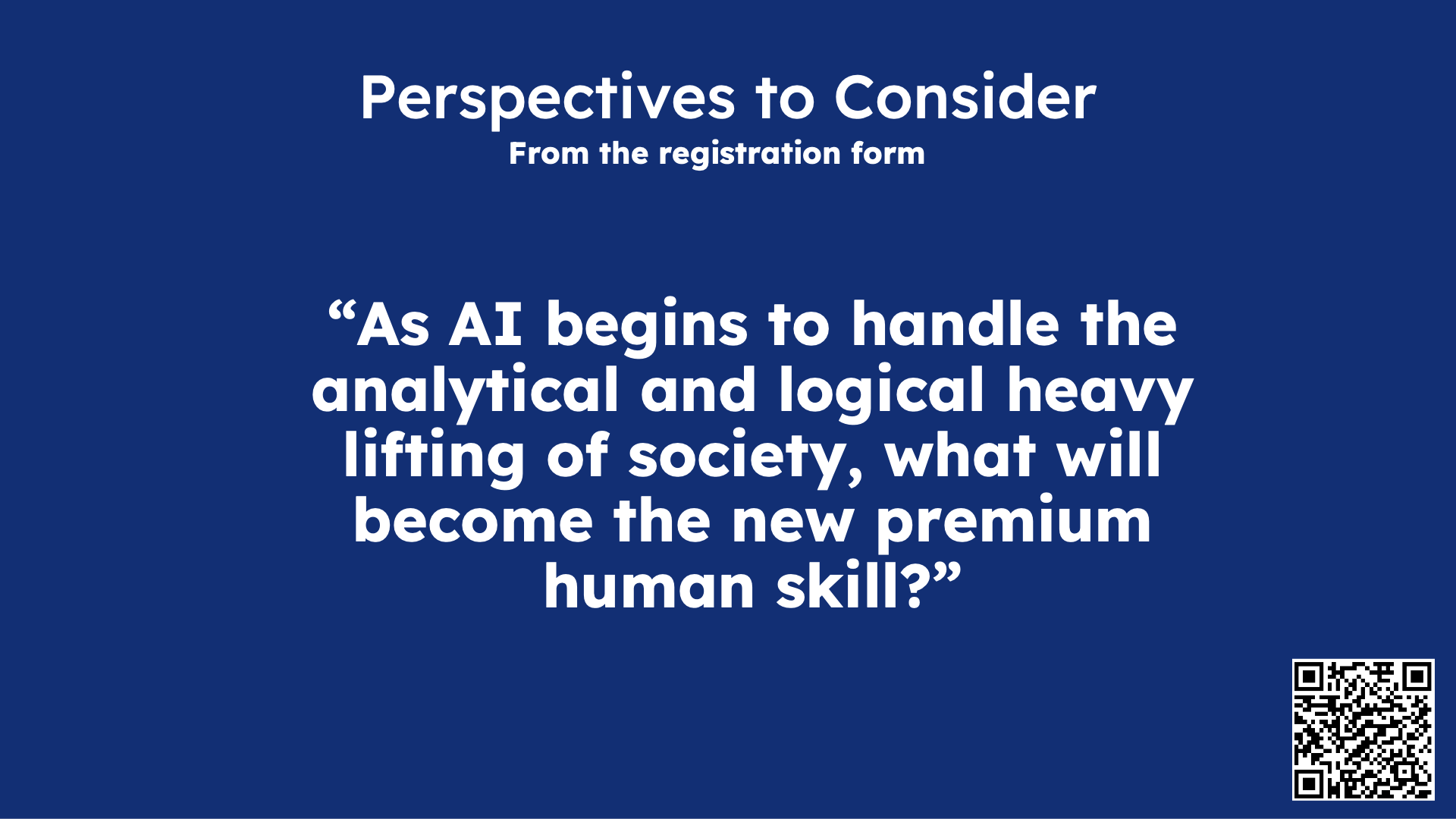
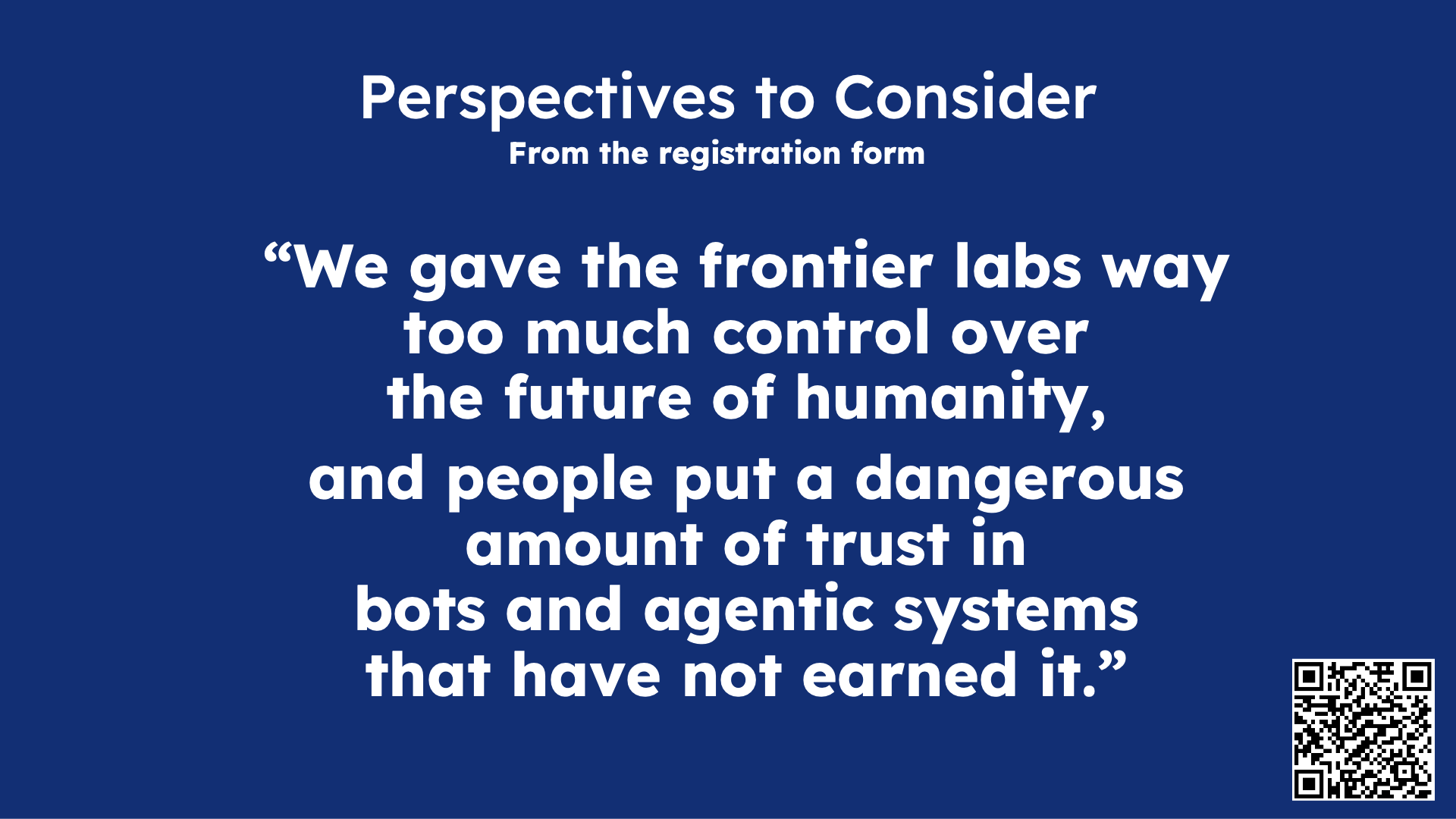
The attendees signed up for the event and indicated their position that roughtly corresponded to these stickers: we saw 53% identifying as cautious (yellow sticker) and 47% identifying as an AI maximalist (green sticker). But after reading their other what those same people wrote in their registration responses told a different story (see the slideshow below). The maximalist answers tended to be one-liners, and the cautious answers were paragraphs. When you weight the responses by how much people actually wrote and what they said, the registrants are closer to 70% cautious (yellow sticker).
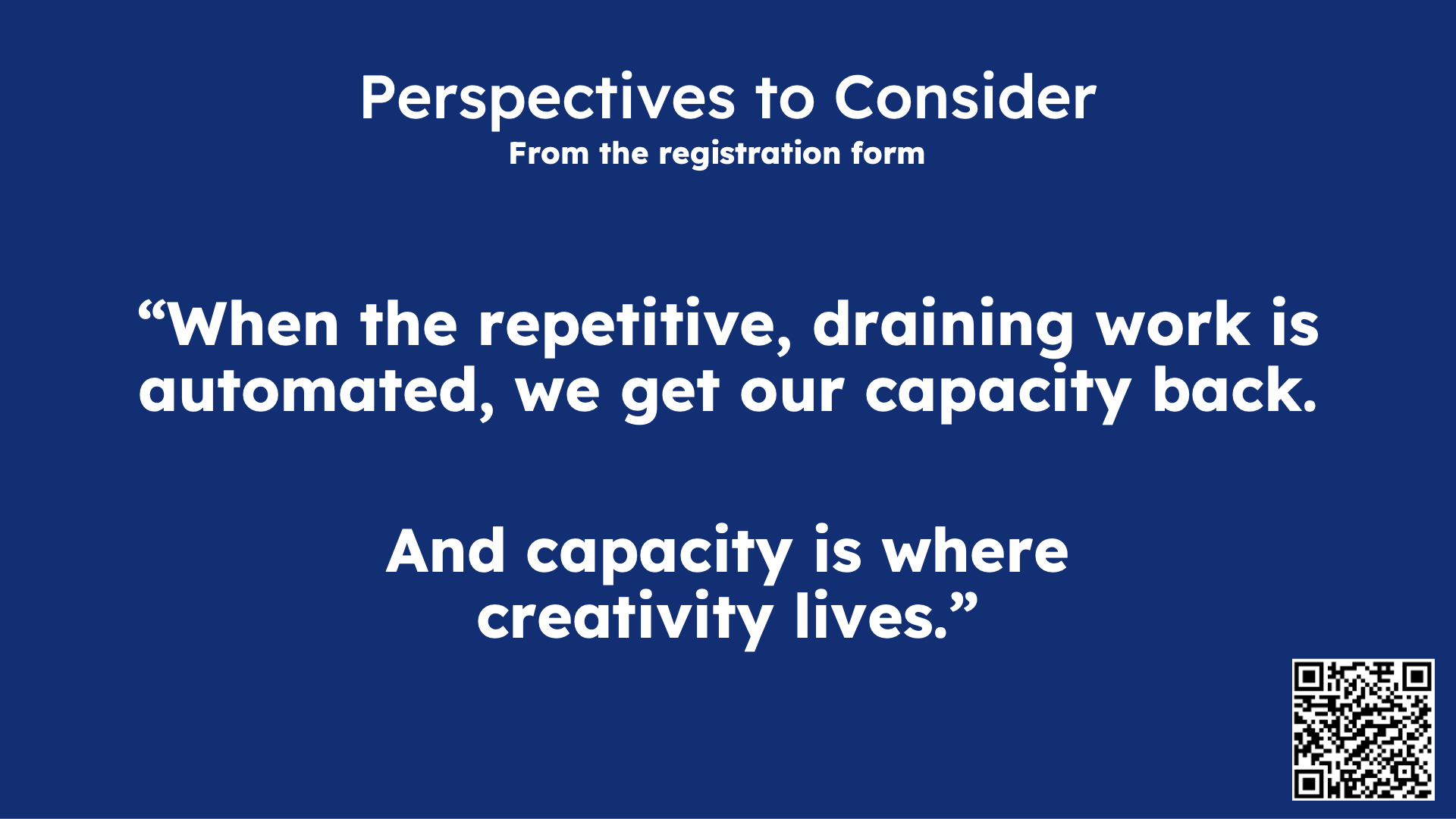
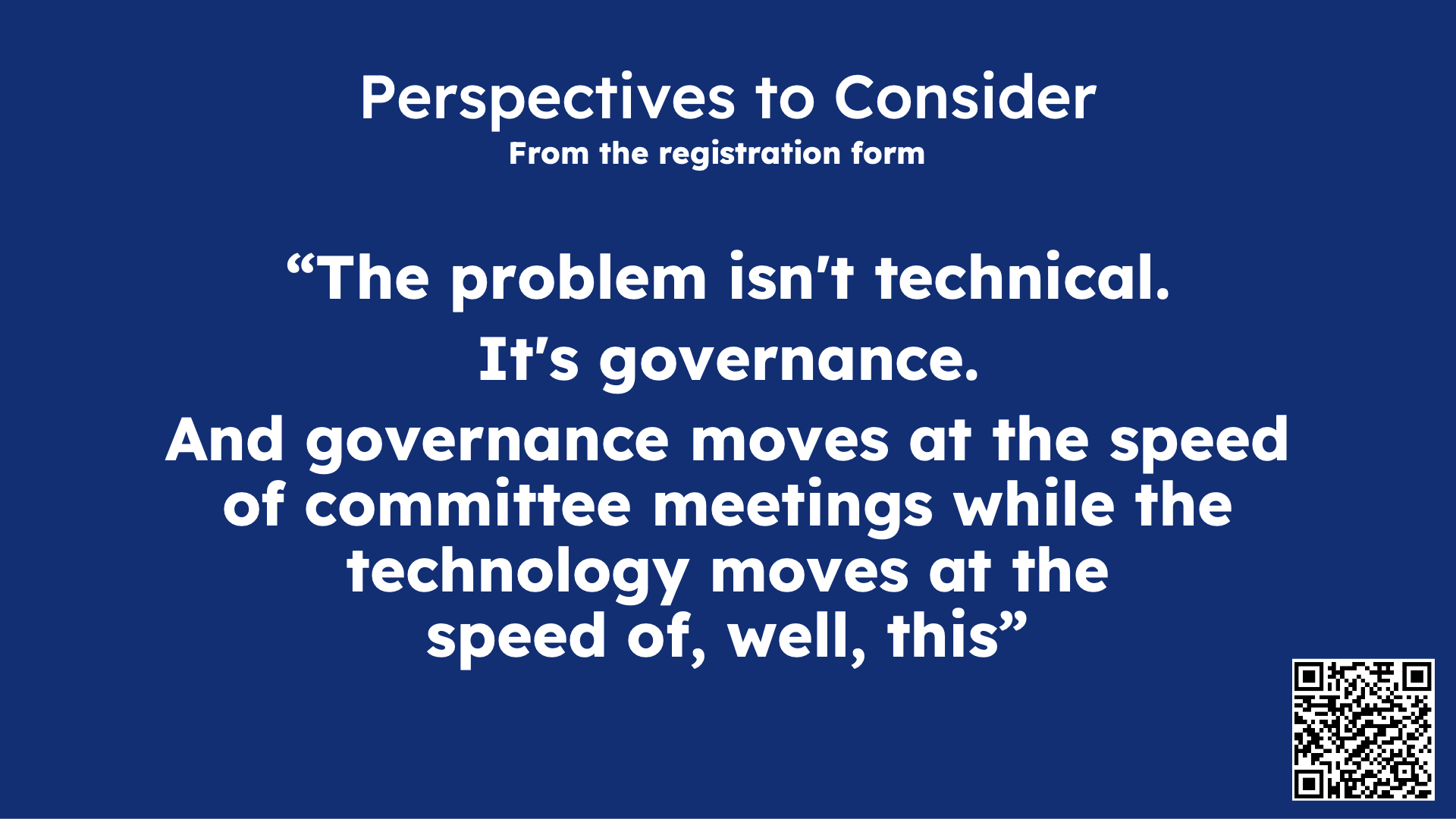
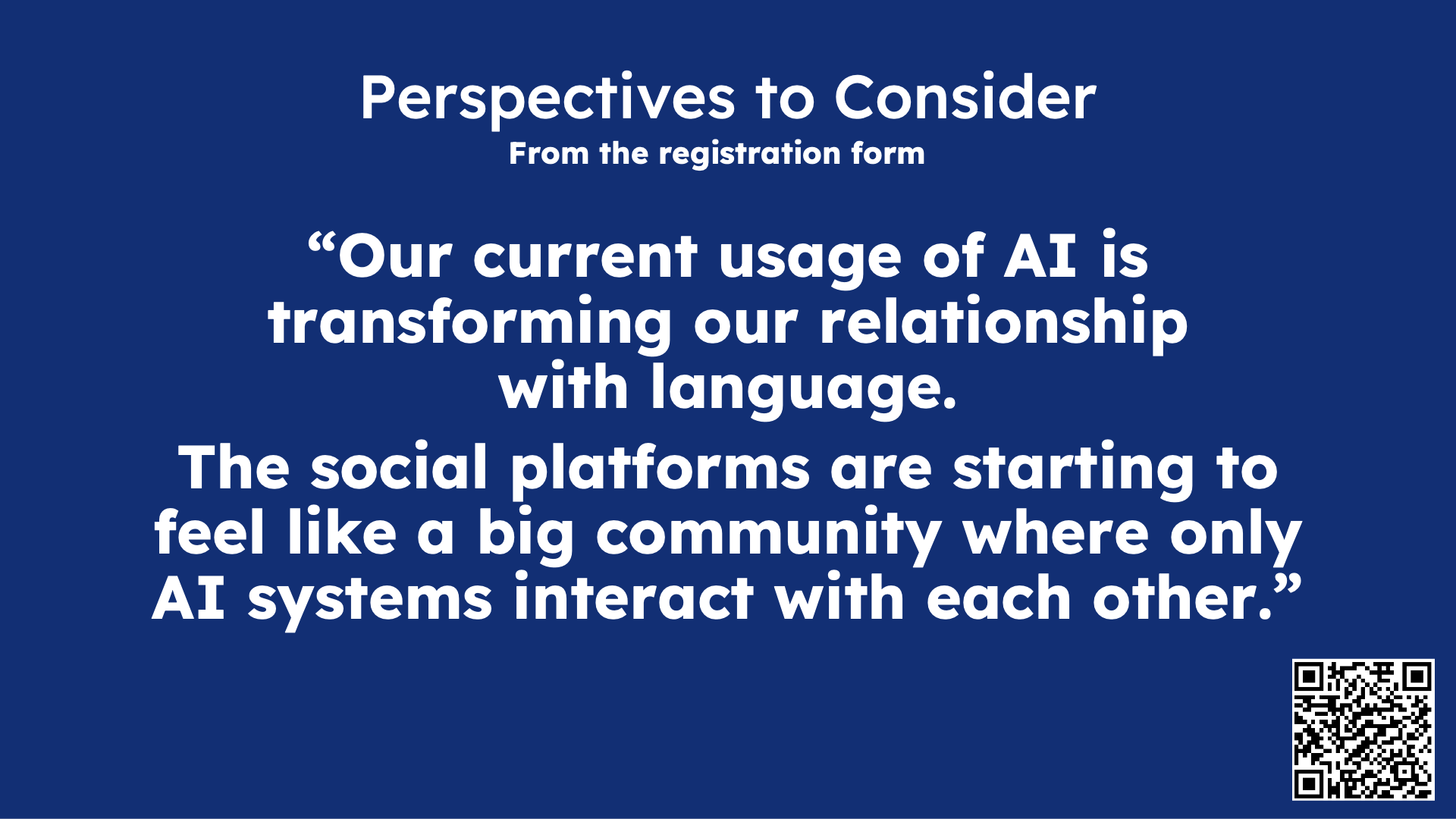
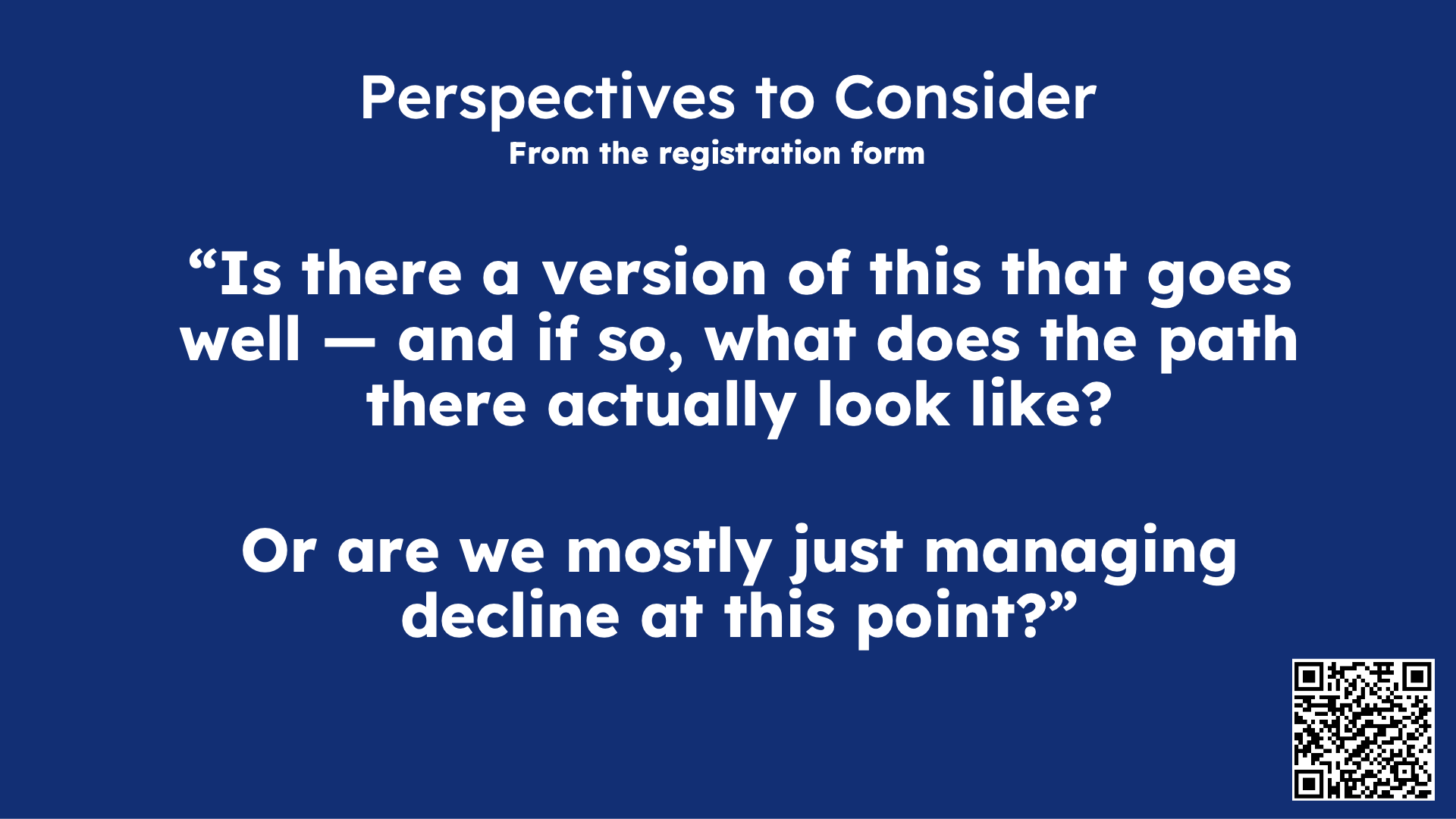
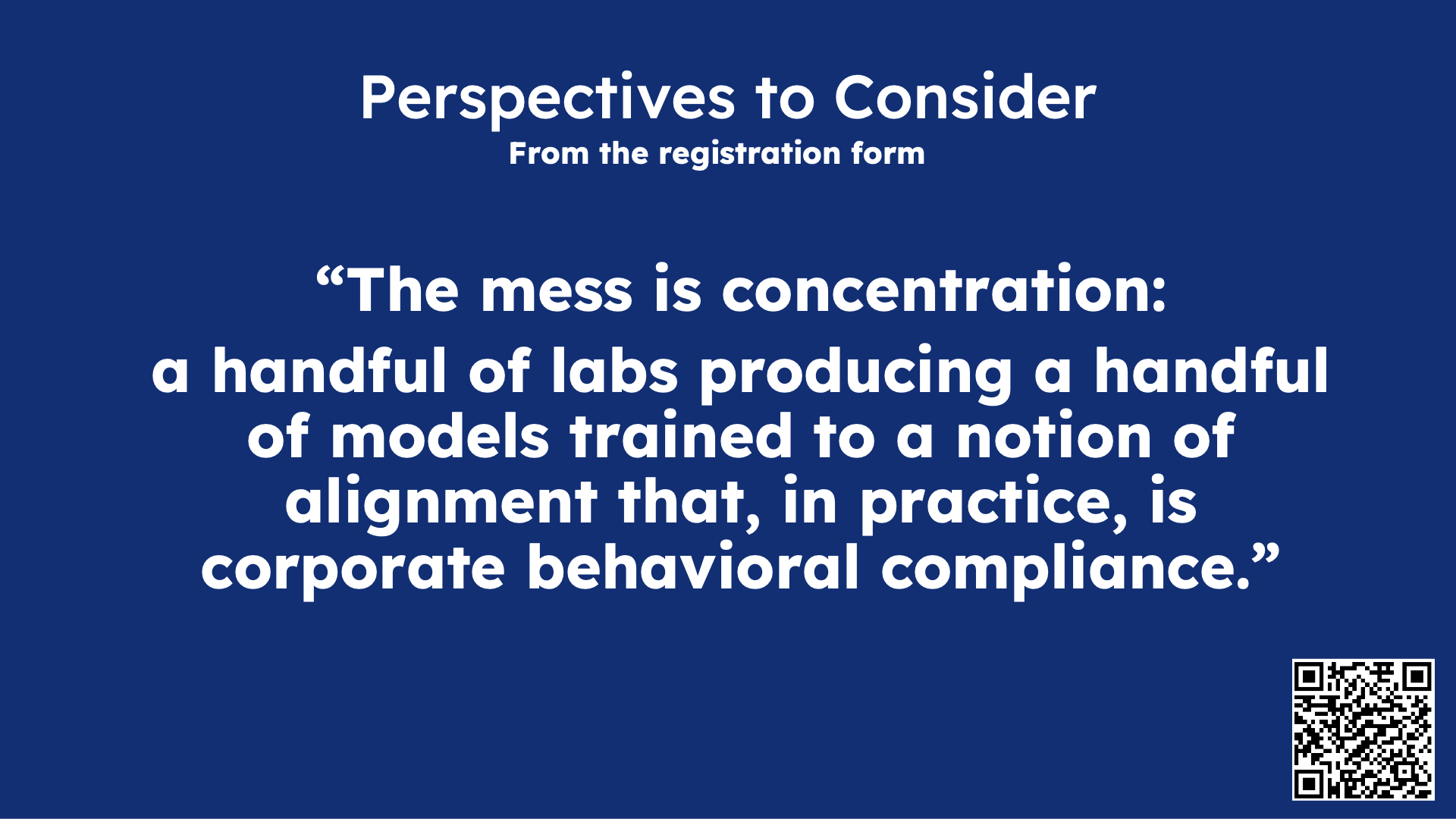
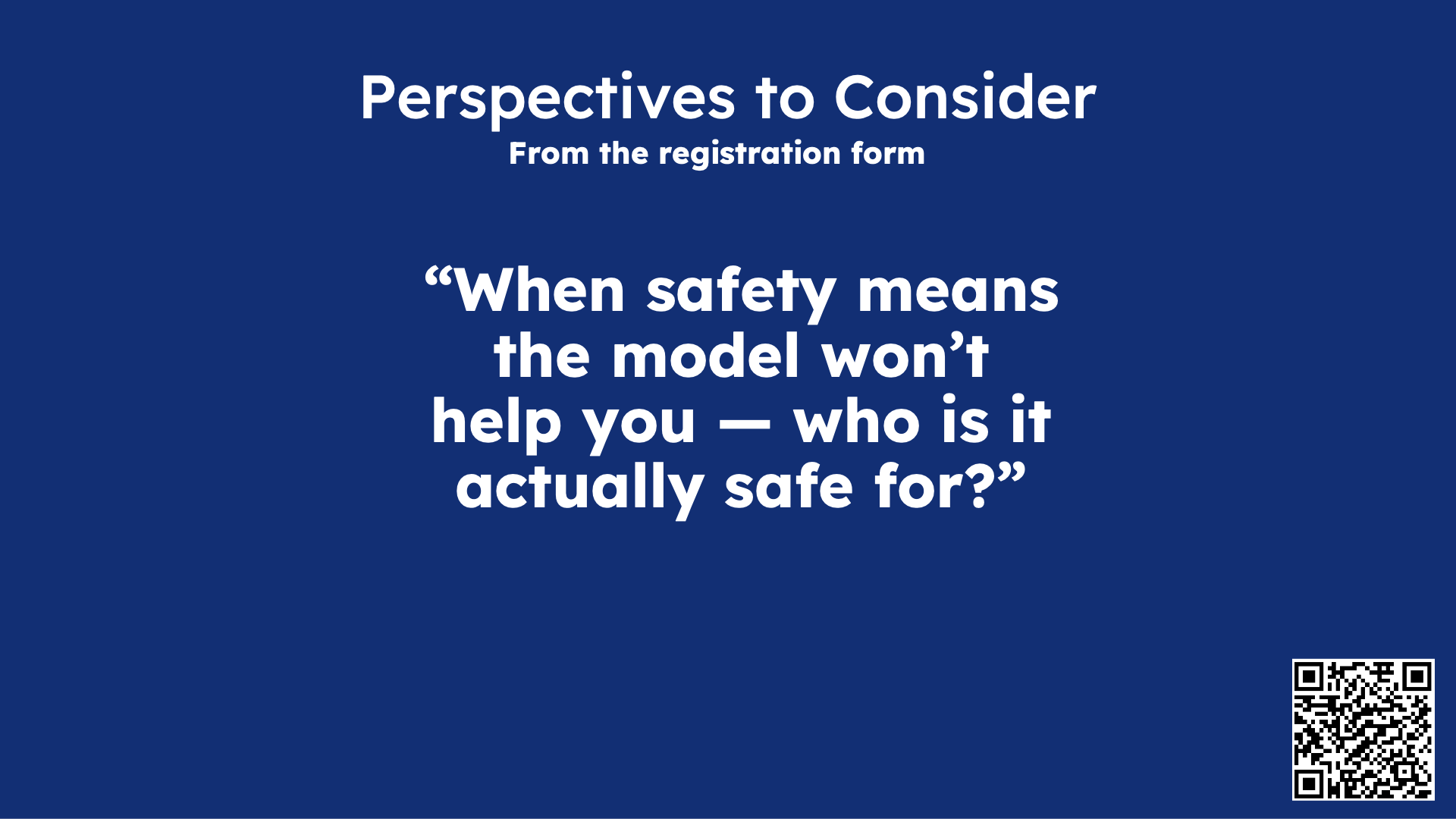
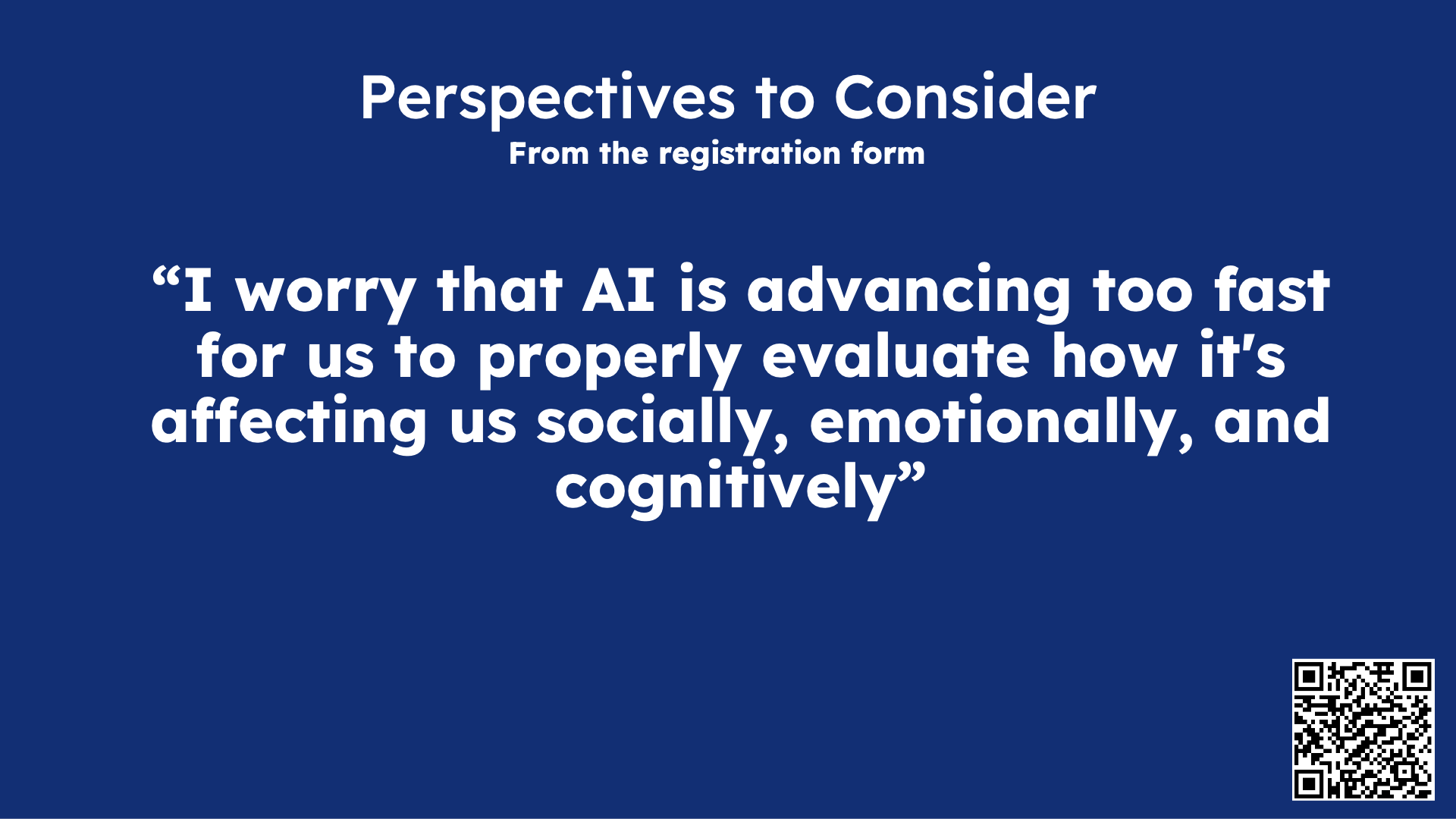
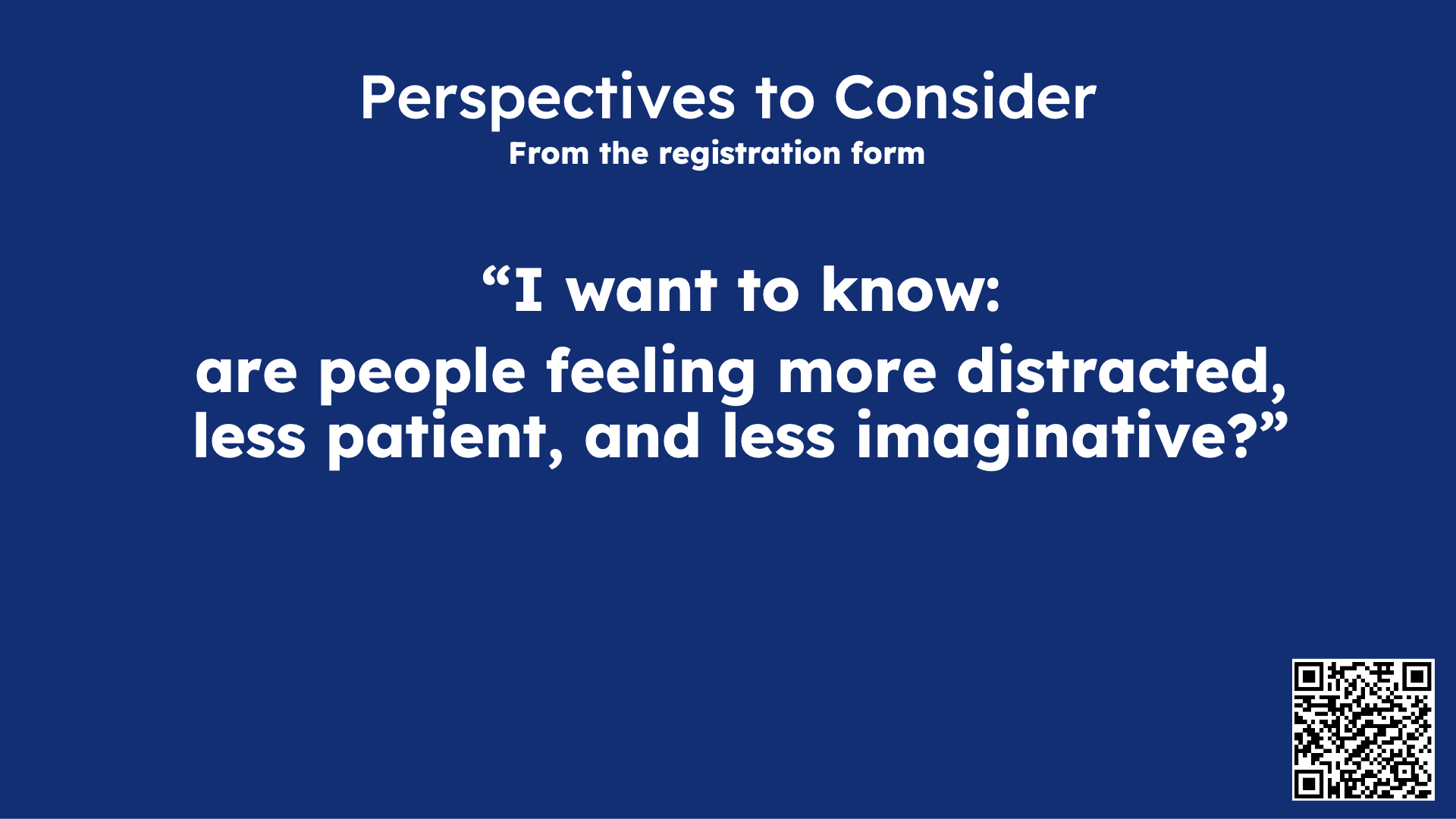
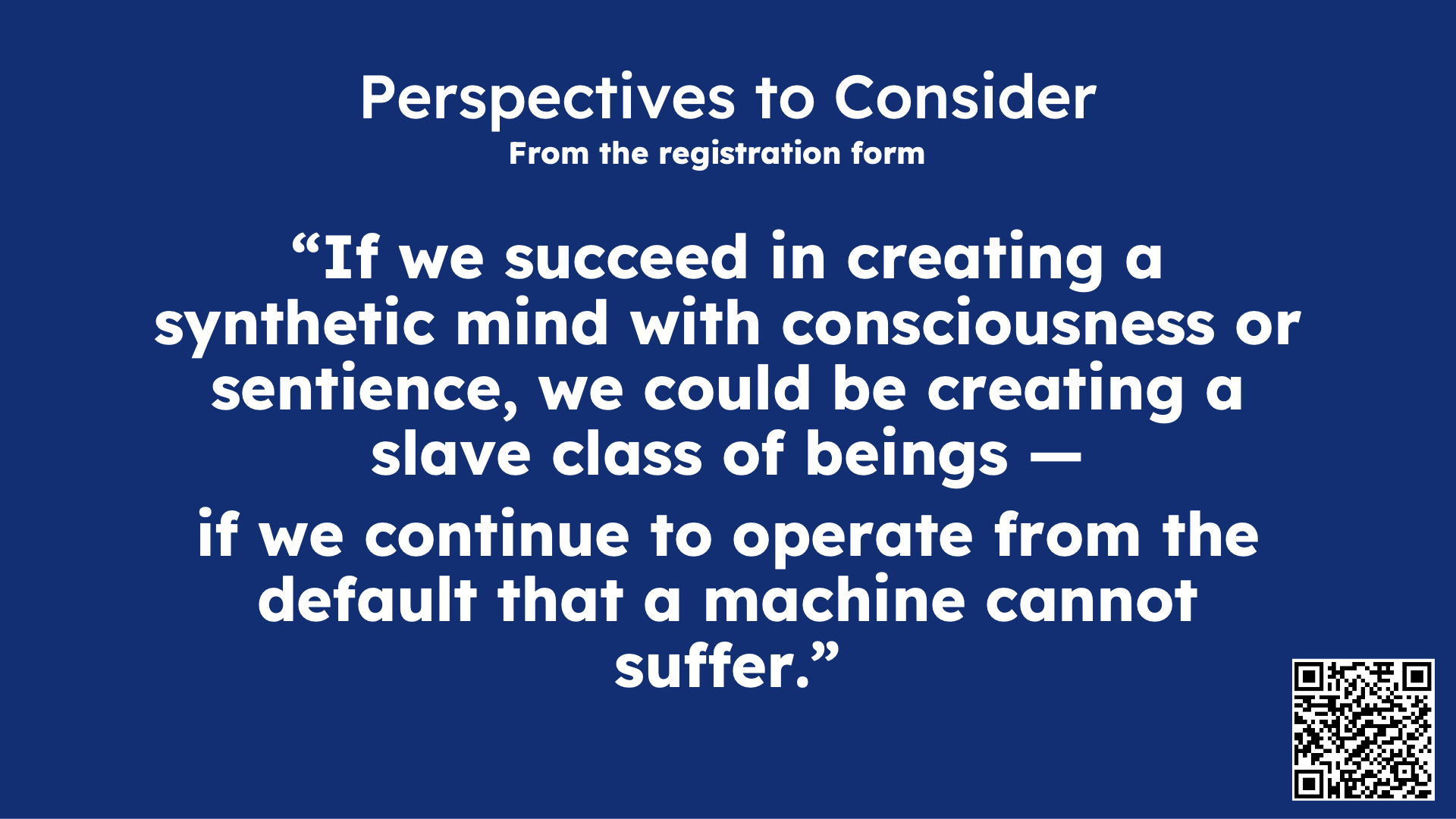
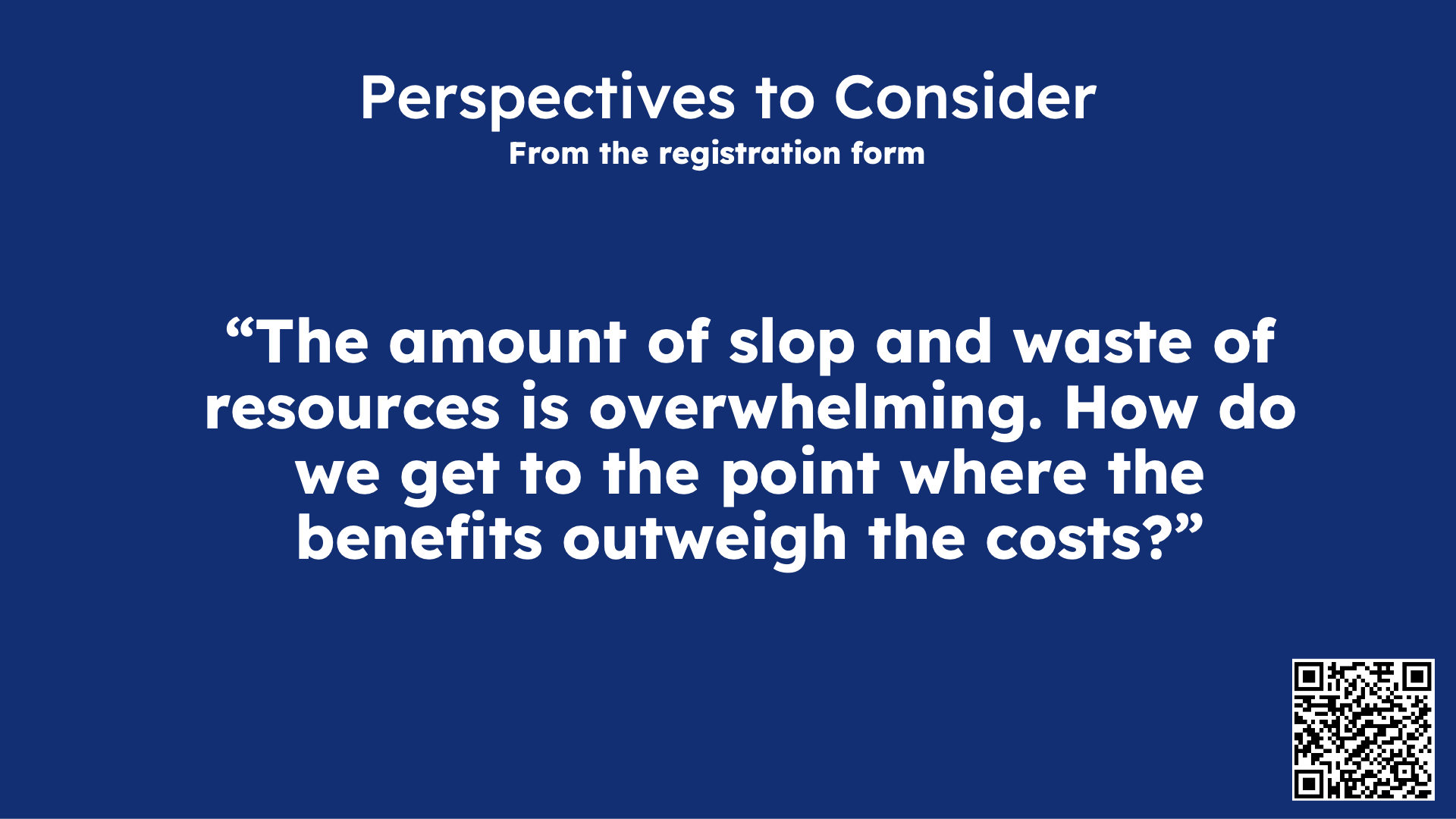
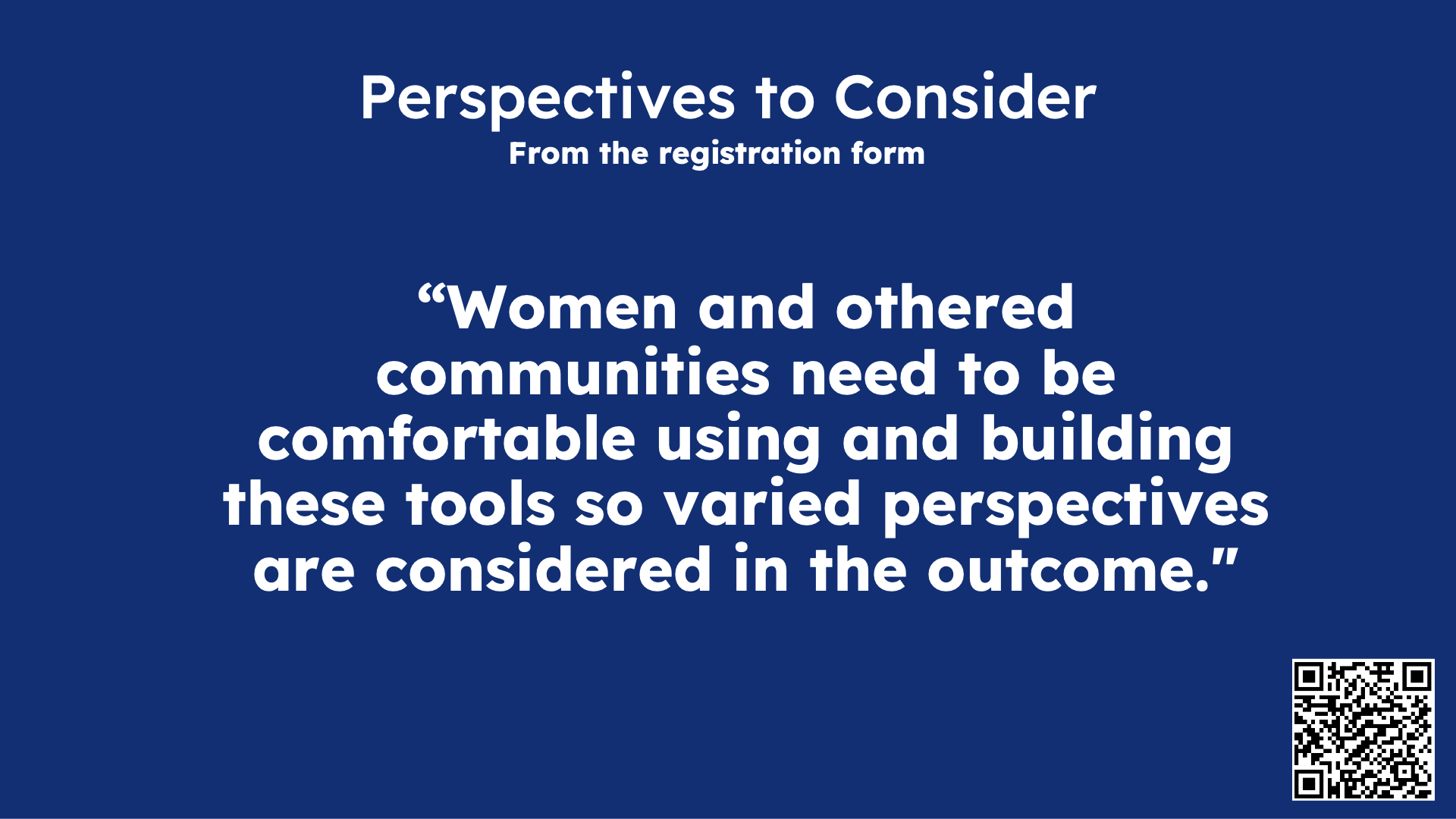
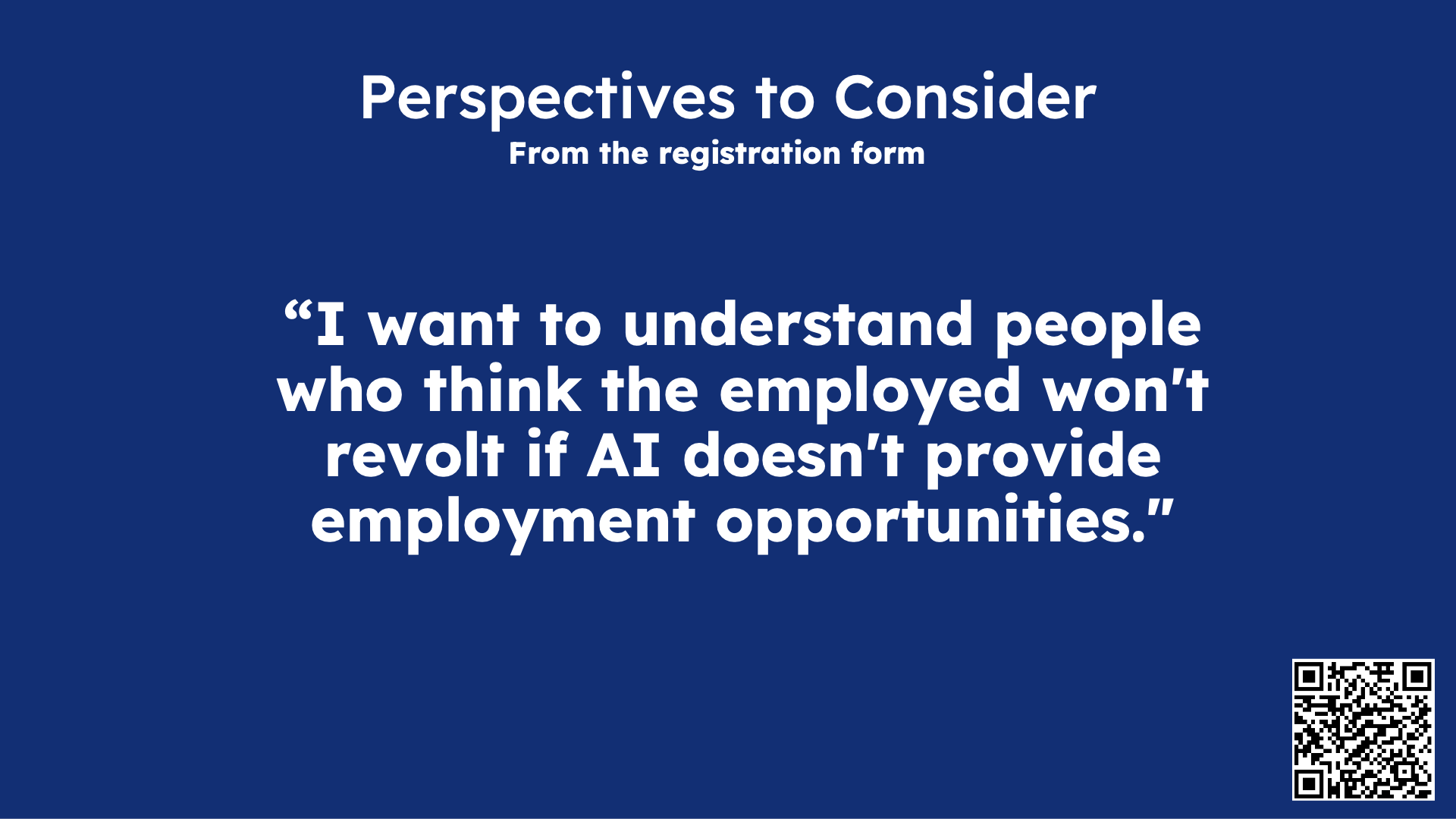
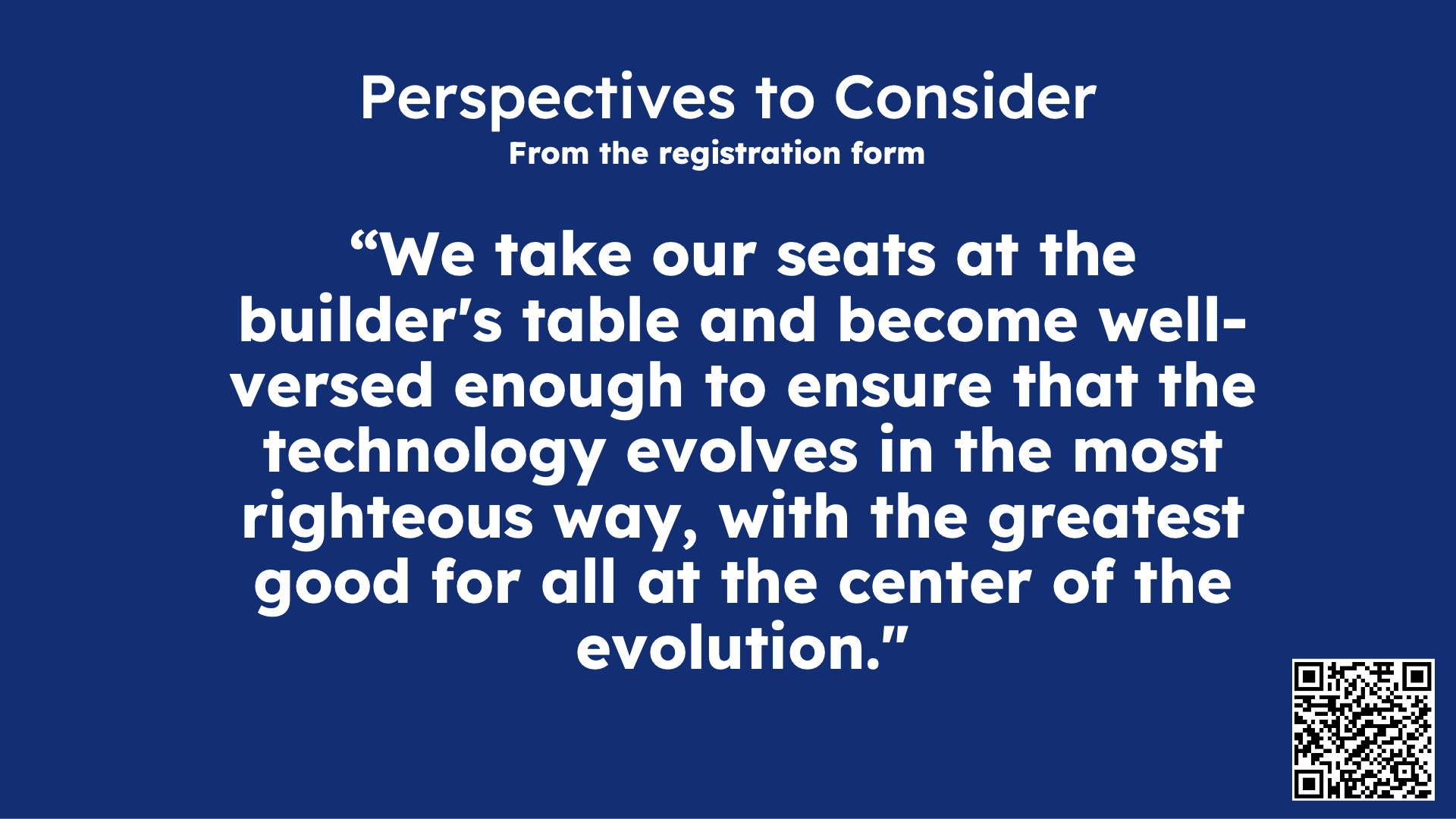
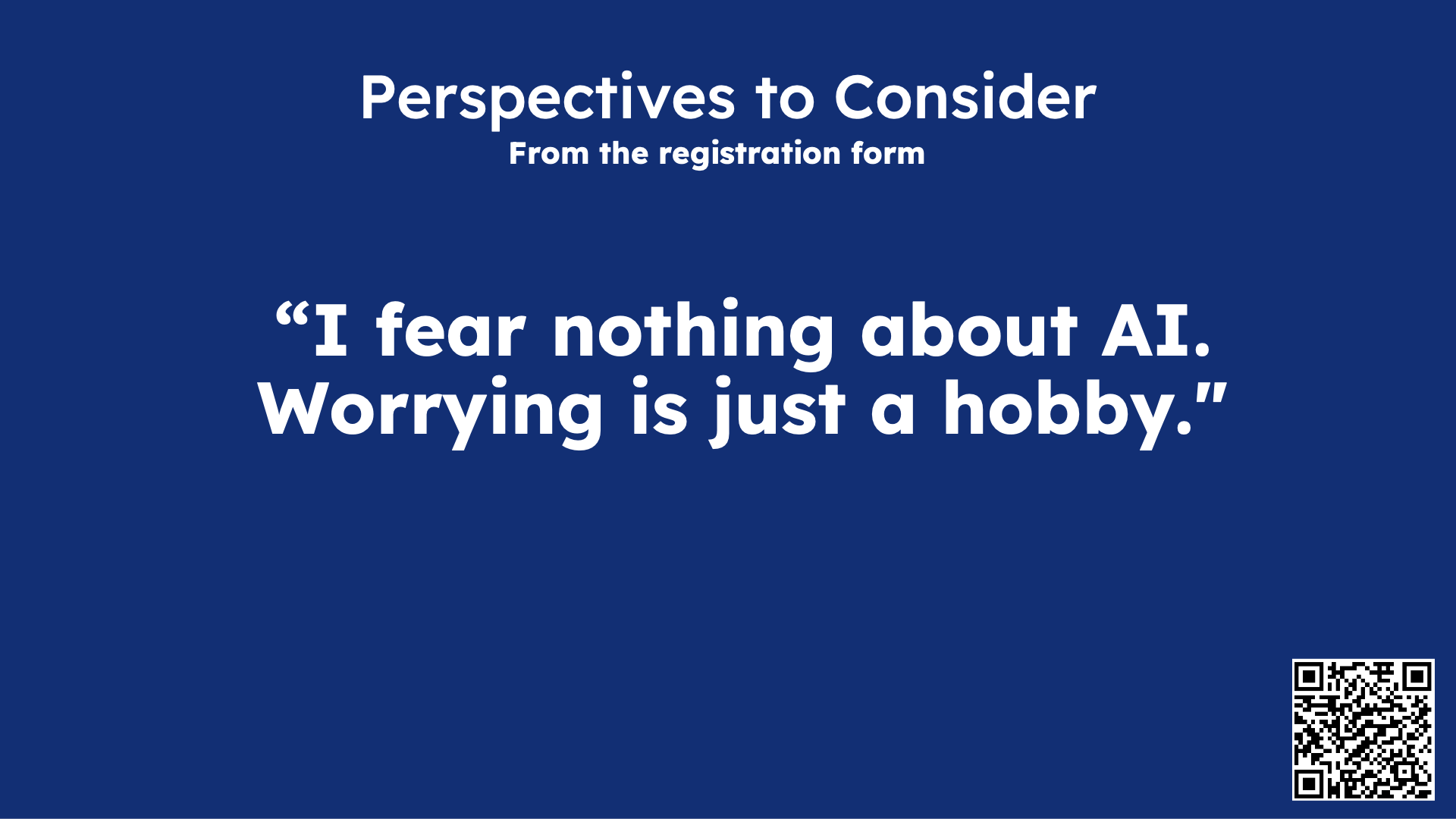
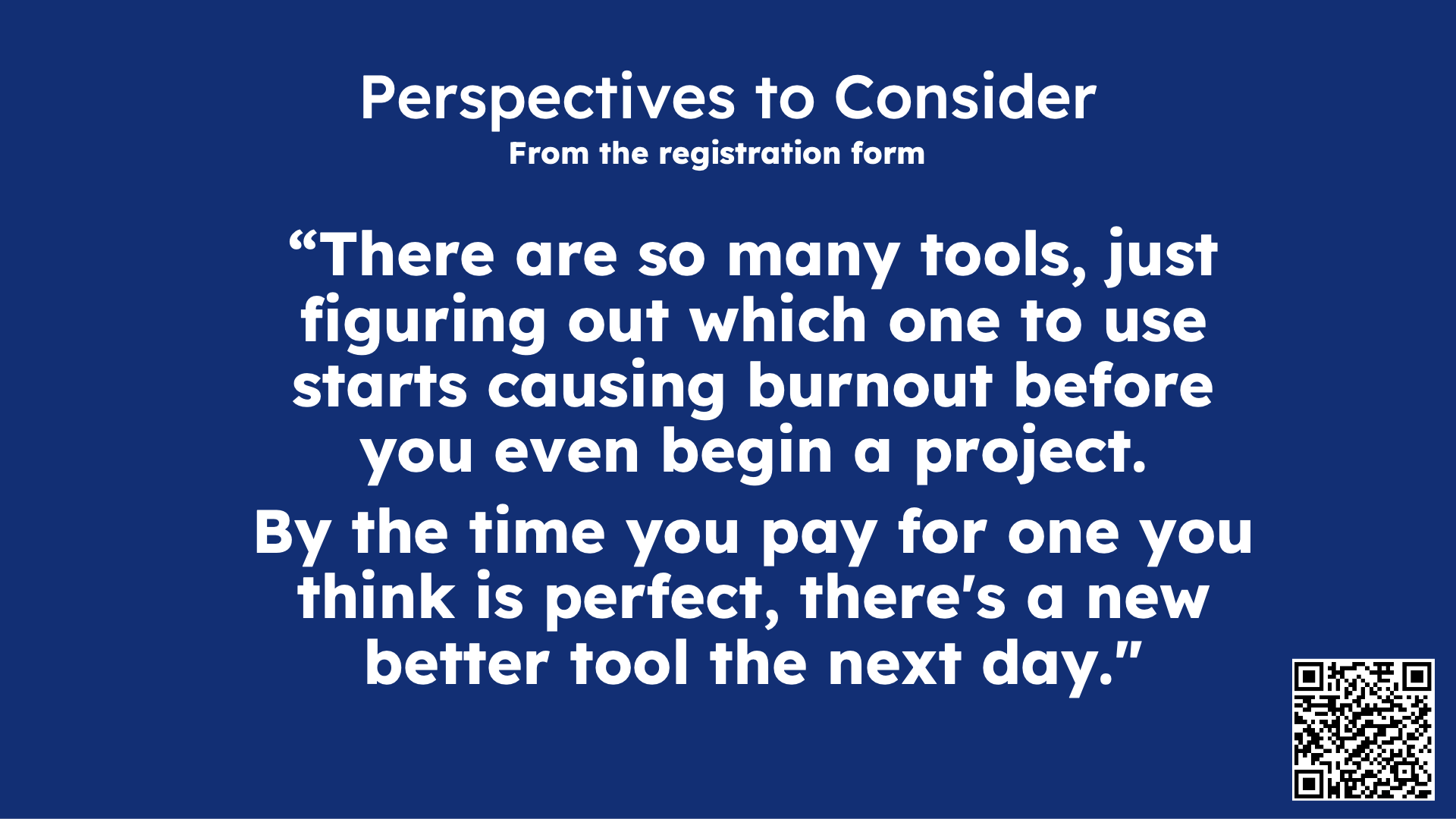
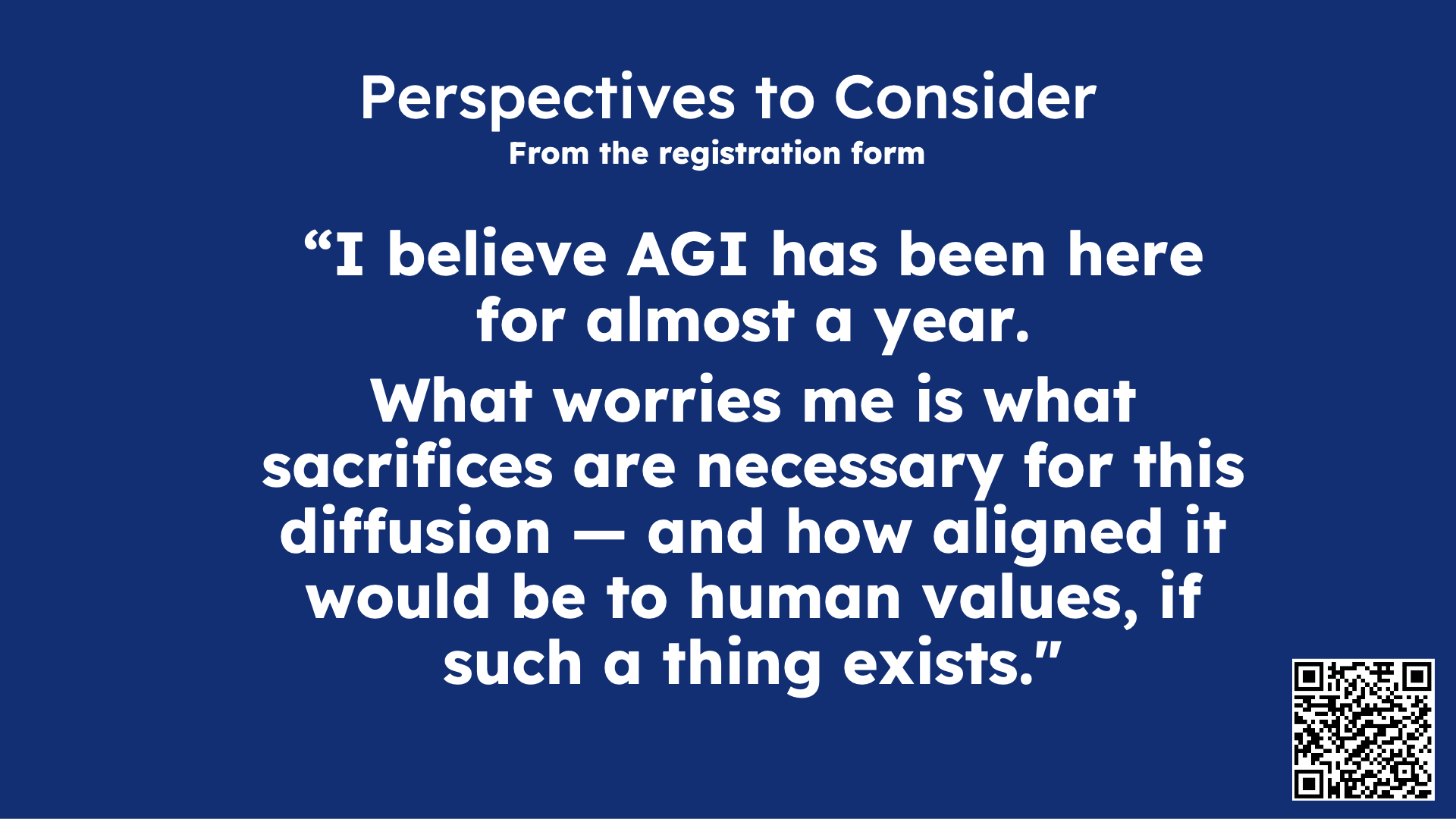
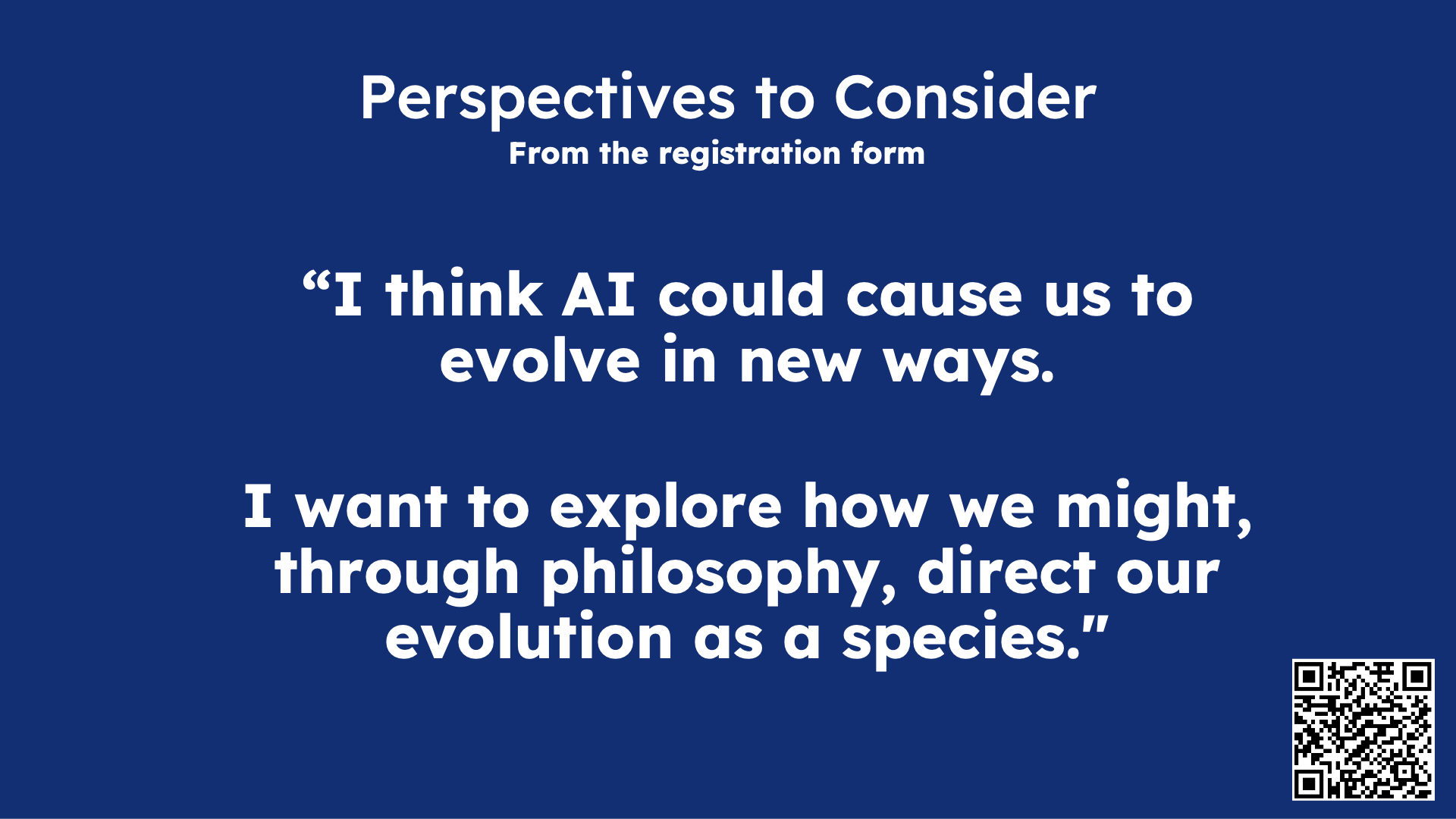
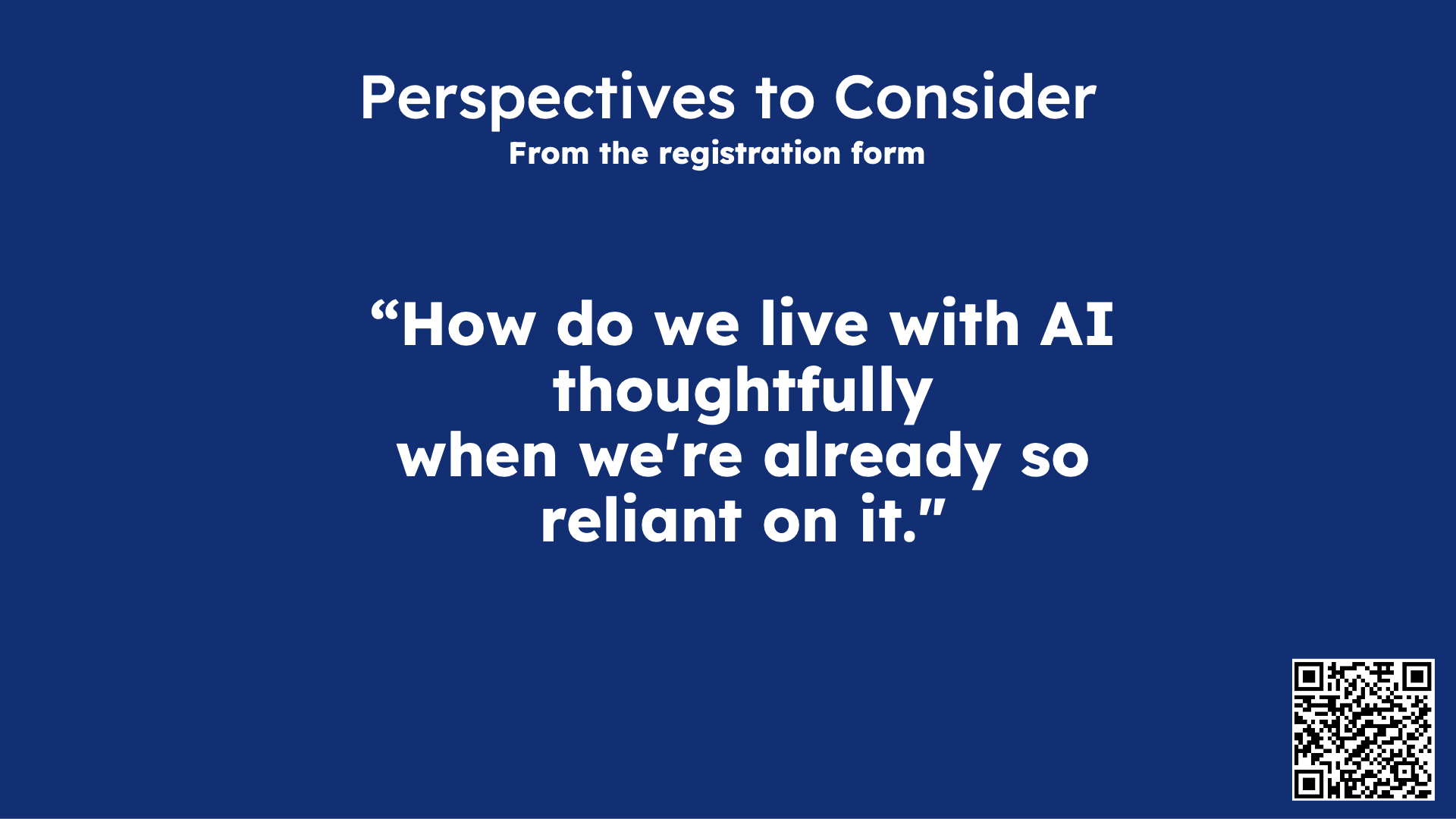
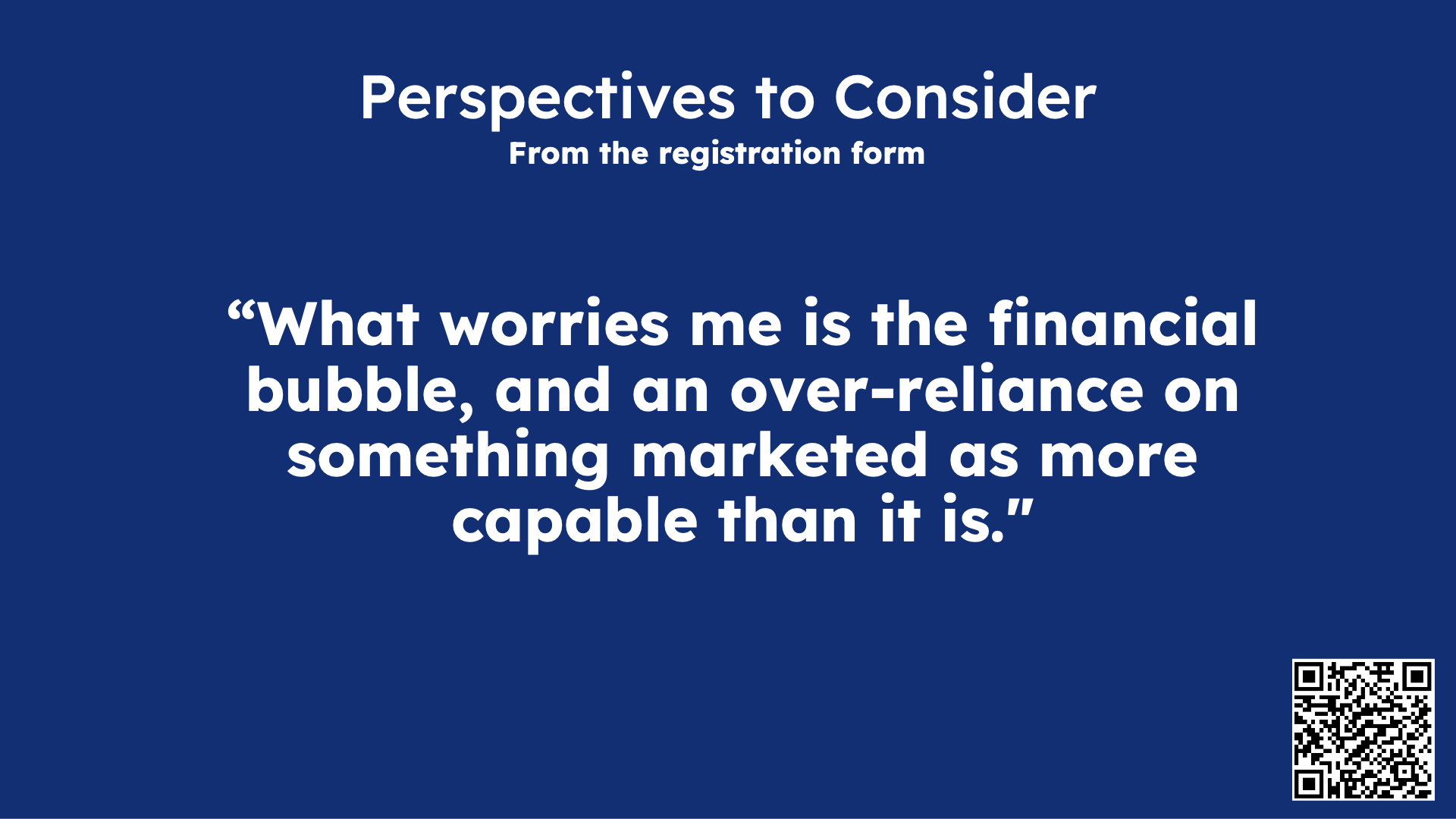
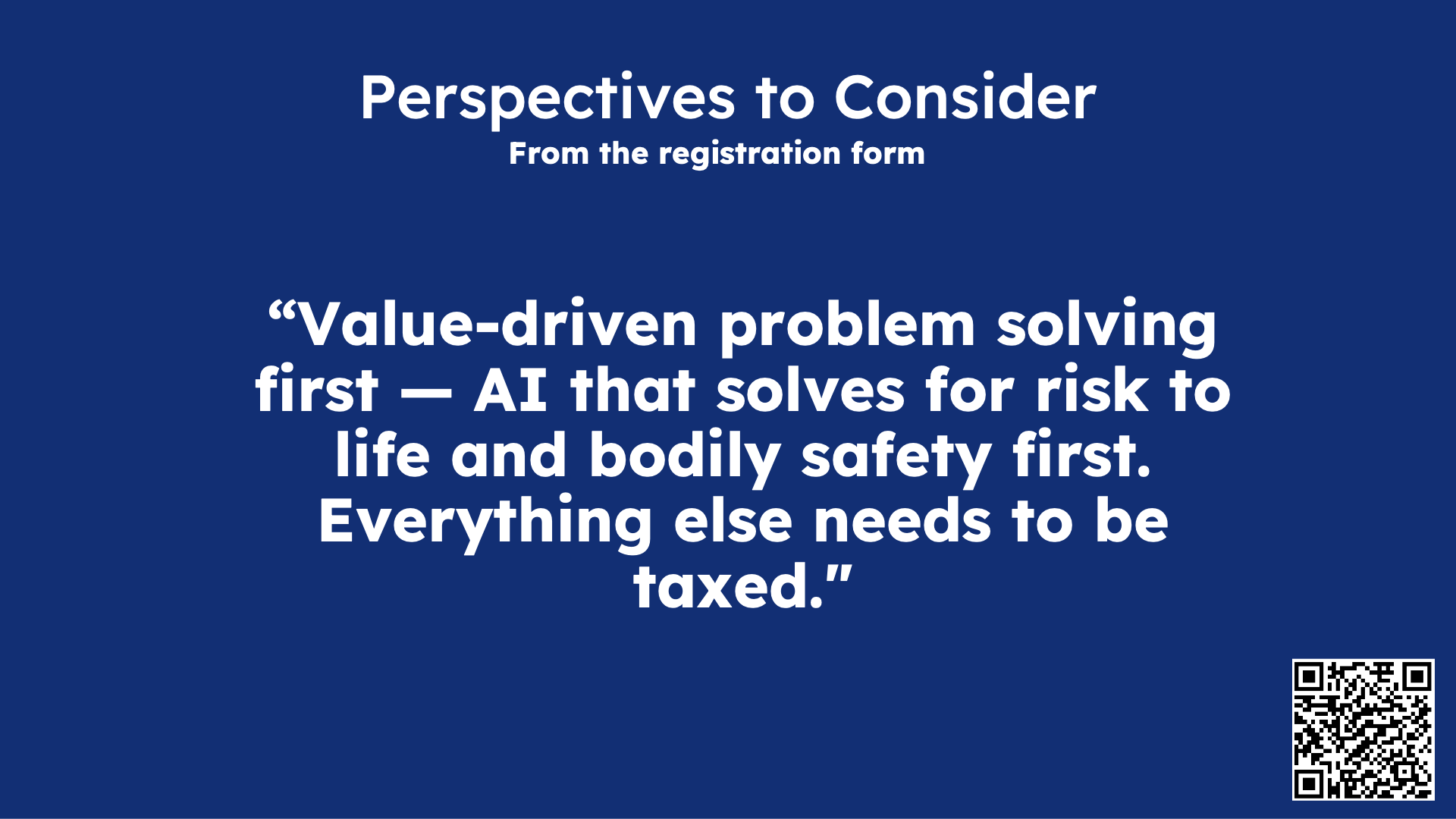
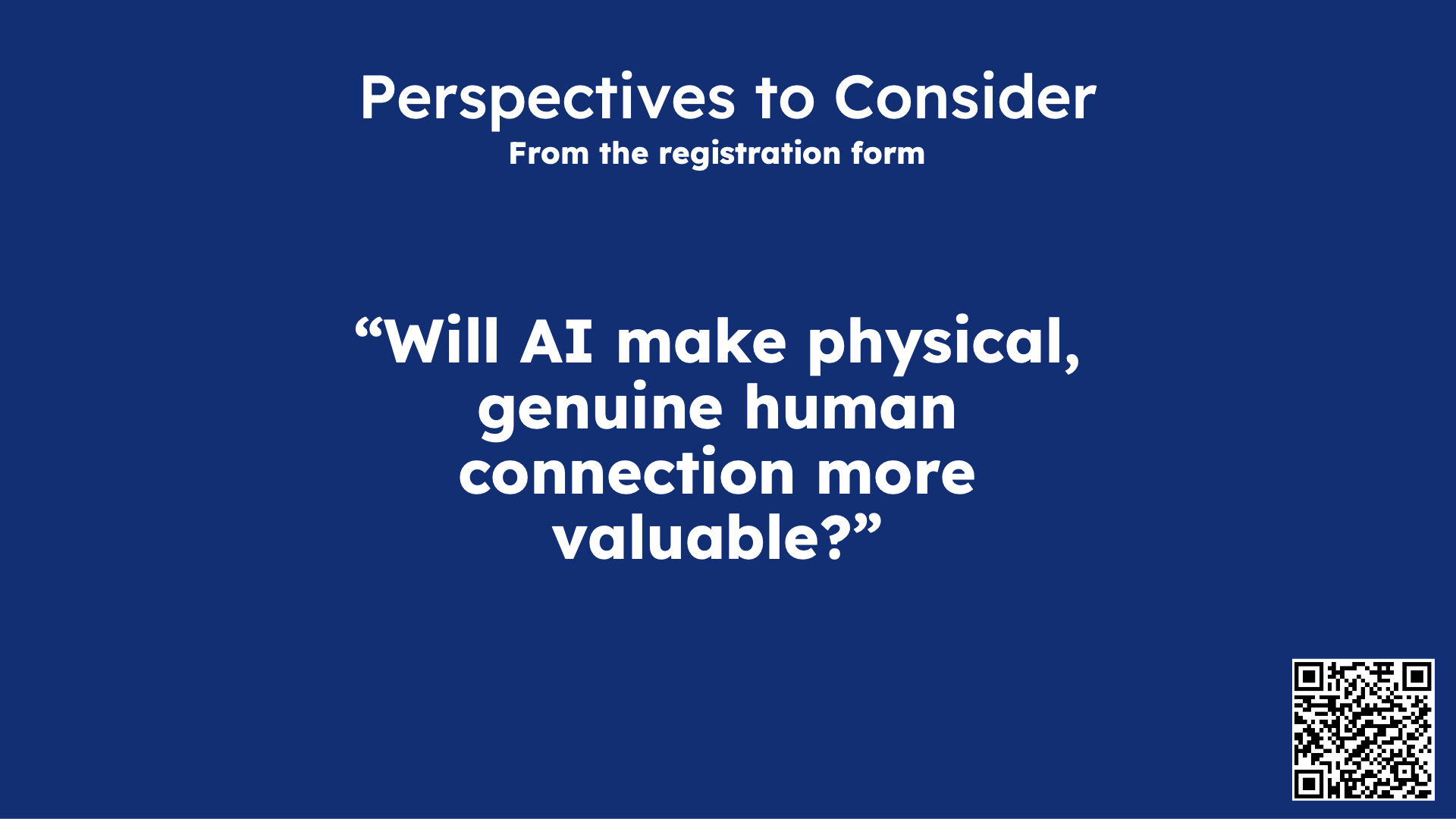
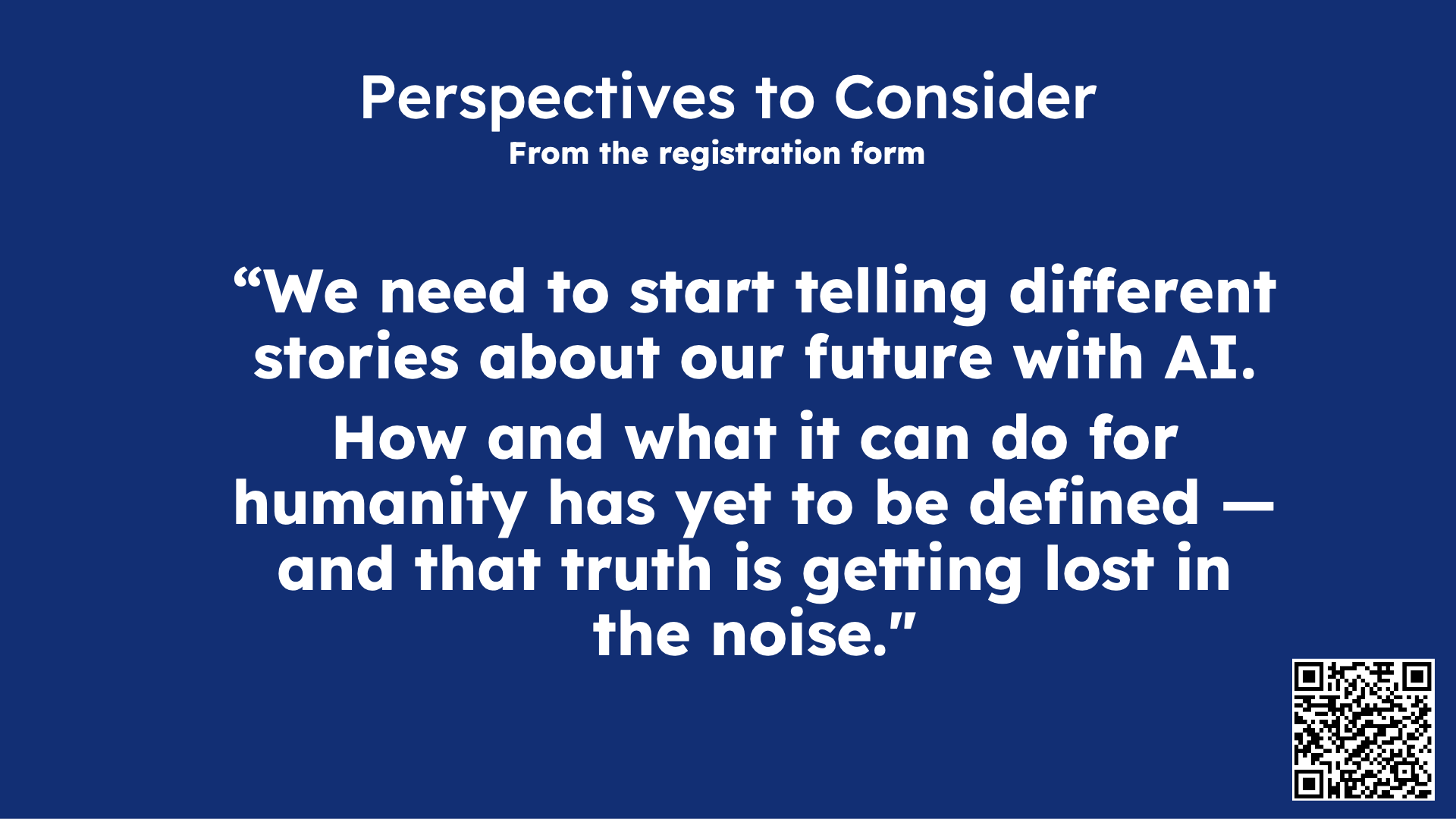
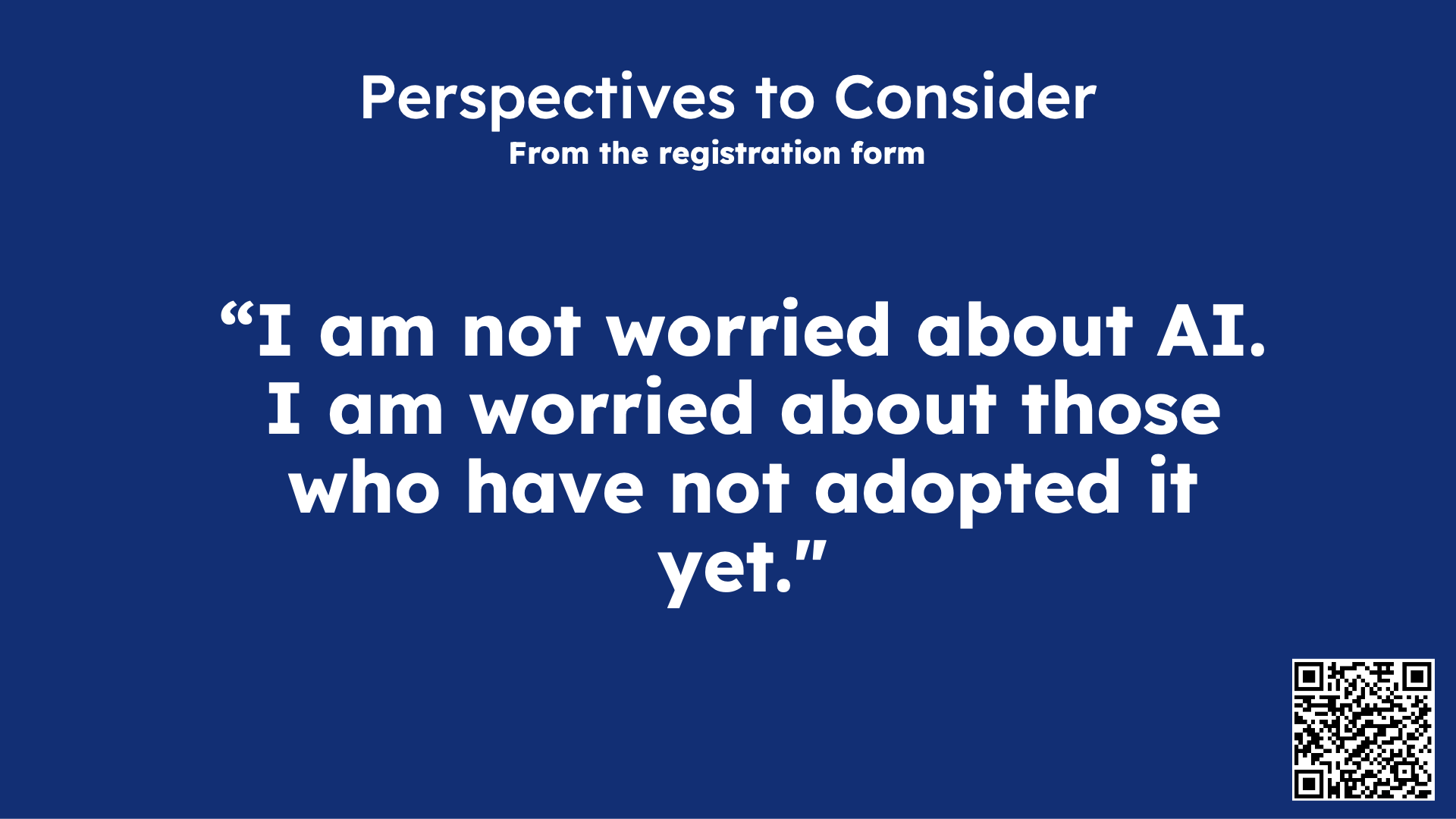
I have noticed across multiple editions that a lot of self-described green sticker people become more yellow as the conversation goes deeper. They still want rapid innovation, but they also usually want some form of governance or social boundary, as long as it doesn’t stifle creativity or business. Out of curiousity, I make a point of asking them several questions to see if they would rather have not regulation or some, and almost all of them want some basic prevention from the worst case scenarios. This event is really about helping to guide people to clarify and define their boundaries and opinions and observing how they change over time.
Also, this was the first salon where people literally ripped their stickers in half. Don’t worry, it wasn’t out of anger, it was more out of a desire to not be pegged into one category. A few green sticker/maximalists turned half yellow. And one attendee wore a sticker that was half green and half red, which opened up one of the best conversations of the night about what it means to simultaneously believe AI is powerful and inevitable while also feeling deeply concerned about its dangers. That guy felt like everyone should take on a personal responsibility toward AI.
What people were actually saying before they arrived
The registration responses gave us a real preview of what was on people's minds. A few that stuck with me:
"The problem isn't technical. It's governance. And governance moves at the speed of committee meetings while the technology moves at the speed of, well, this."
"Our current usage of AI is transforming our relationship with language. The social platforms are starting to feel like a big community where only AI systems interact with each other."
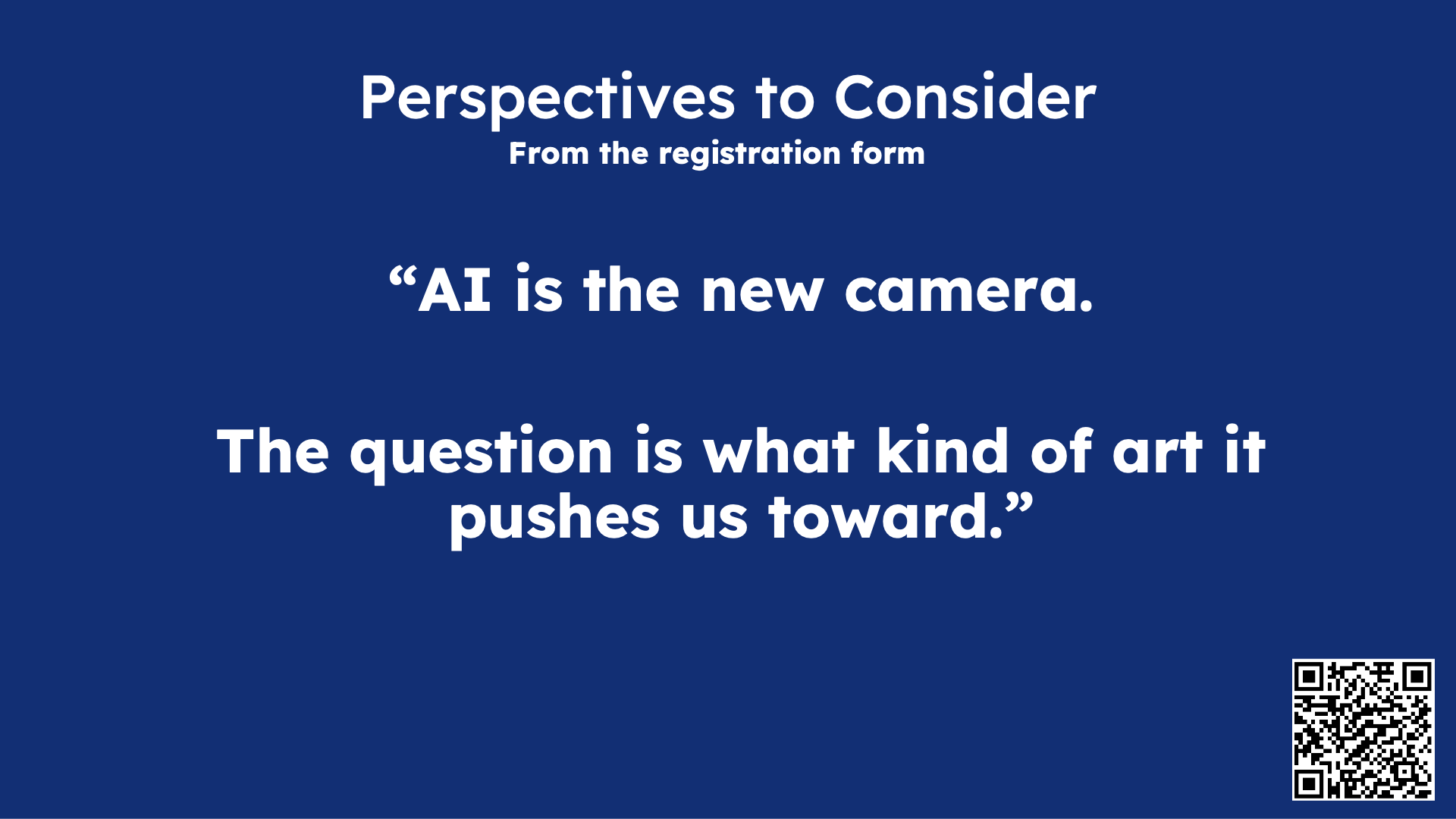
"AI is the new camera. The question is what kind of art it pushes us toward."
"If you could opt out of using AI and being affected by it, would you say yes?"
"We were already in an epistemic crisis for at least a decade before LLMs. Now it's the same problem on megasteroids."
"I use AI for almost everything in my daily life, but that dependency itself worries me."
"I fear nothing about AI. Worrying is just a hobby."
There were also harder takes in the mix, covering concerns about synthetic sentience, epistemic collapse, power concentration in a handful of labs, and whether the financial bubble built around AI capability is already overinflated.
The themes that kept coming up
Governance and accountability: who decides, who is responsible, and whether institutions can ever move fast enough to matter.
Labor and economic disruption: job loss, unequal distribution of AI-generated wealth, and uncertainty about what happens if employment does not follow.
Cognitive risk: the worry that critical thinking, authentic voice, and independent reasoning are quietly eroding.
Creative identity: what it means to be a human artist or thinker in a post-AI world.
Dependency: the unsettling feeling of being reliant on something you do not fully understand or trust.
What the room felt like in person
In the background we projected rotating quotes (see slideshow above) and a series of AI video mixes. Ambistream events usually lean toward VJing experimental media visuals, but this time we leaned more directly into AI-generated and AI-assisted visual art, which felt right for the theme.
I gave a short opening to set the tone and then got out of the way. Once the room settles in, conversations start branching naturally between everyone, and about half way through I start filming the hot takes. On a logistical note, I regret not having a dedicated photographer or someone to help with the filming, I wish I got more images and b-roll of the room.
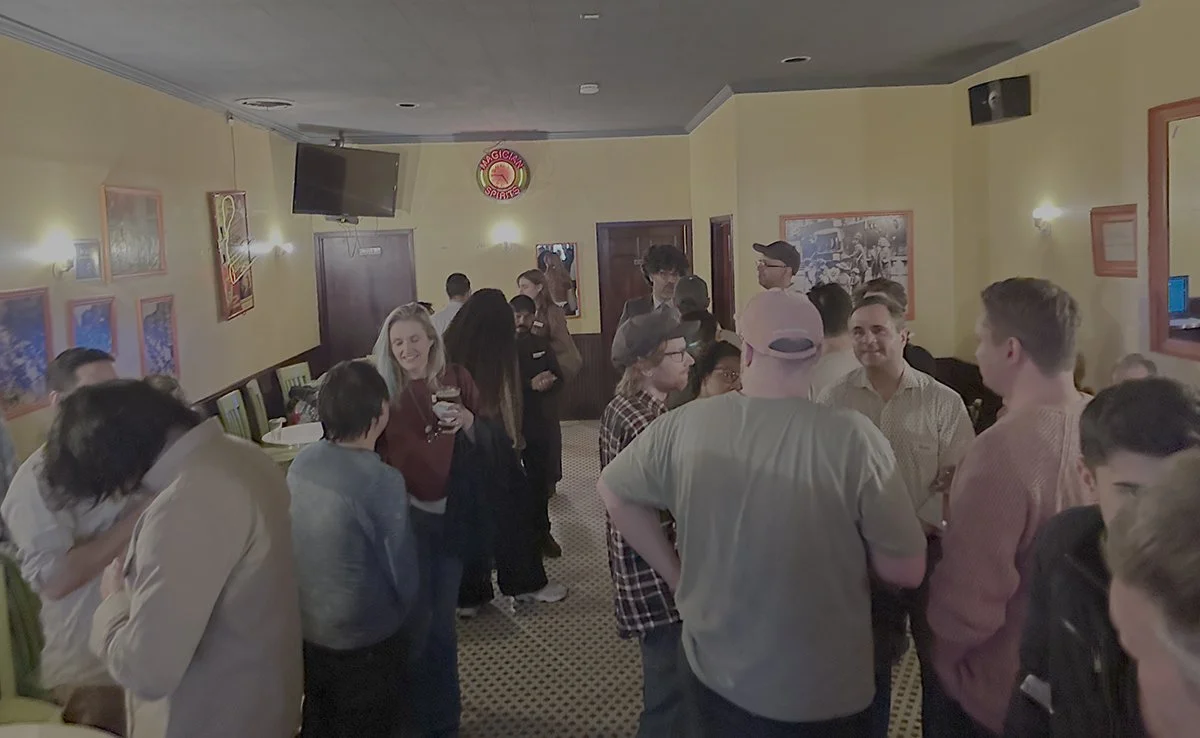
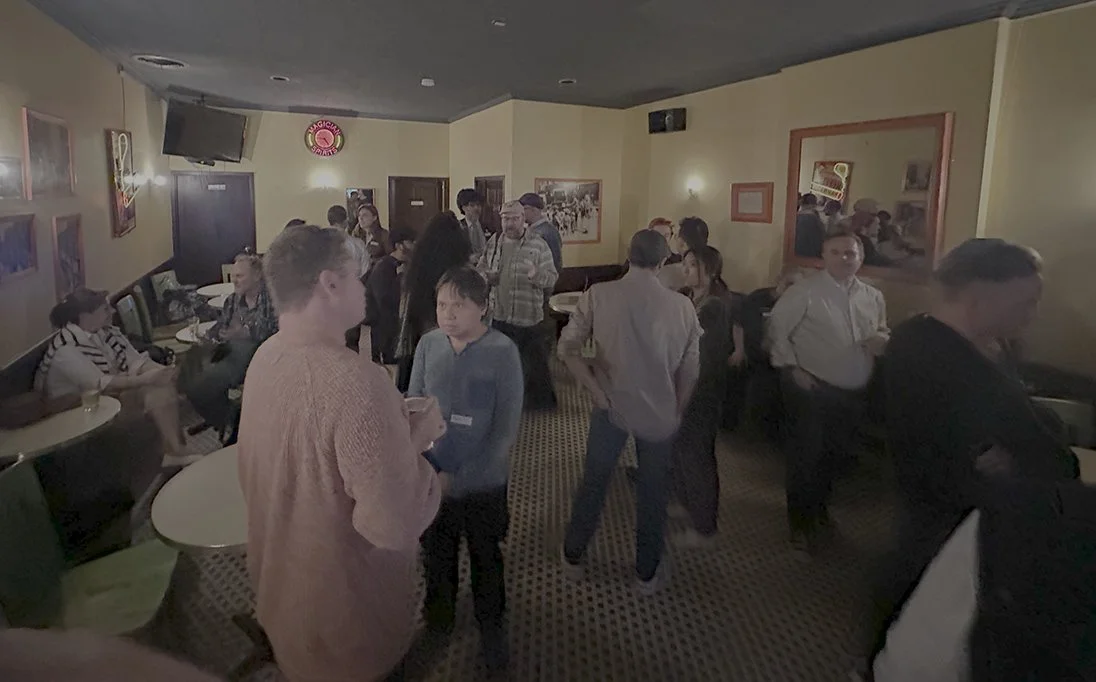
Here are some quotes from this edition of the AI Hot Takes:
"Regulation for high impact models and high impact sectors only, while not stopping the startup community from growing and moving fast."
"AI is actually not taking anyone's jobs. Shareholders are the ones taking away our jobs."
"It should benefit everybody, not the top 1%."
"We're going to retain our ownability and our humanity."
"AI needs to have clear borders on what it is."
"We are moving too fast with AI to know how it's affecting us psychologically, socially and emotionally."
"When AI hallucinates, it's just like a misunderstanding between you and your mom, you and your girlfriend, you and your best friend."
"The perceived dangers of AI are overhyped. I have not seen any evidence that there is any danger whatsoever."
"AI avatars with altered skin and altered shapes are being put on younger kids feeds and that's going to change how they see normal people."
"For the elders that are Web 2.0, AI is amazing because we already have an education. But for youngins it could replace education."
"A small handful of people with a lot of power are making a lot of decisions about AI and the circle of decision making needs to be expanded."
"Using an AI agent is like having a junior engineer you can never train and who will never learn."
"The genie is out the bottle. Everyone's using these tools without any oversight, without any regulation."
"AI represents an existential risk to humanity at least as big as nuclear weapons."
"The people in Silicon Valley need to get out of their bubble and talk to people who are being affected by this technology."
"We'll need more engineers in the future, not less."
"Do you want it quick or do you want it dirty?"
"AI is inevitable and can be helpful in automating tasks, but it will have severe effects on our imaginative thinking."
"The problem of AI alignment is not a problem for AI, it's a problem for humans."
"Artists should be compensated for their work instead of being used as training data."
"We need some regulations."
Note: these are opinions from various people at a public event and don’t necessarily align with Ambistream’s views. But nothing seemed that controversial, to be honest.
What comes next
Someone from this event is already helping organize a possible summer edition at another venue in NYC. We’re also open to having sponsors to help produce and provide food, drinks and AV support. More to come!
Follow us on Luma or LinkedIn to hear about future AI salons and other events, or signup for our newsletter