
Blog
Latest updates, social posts and articles from around the web.
Featured
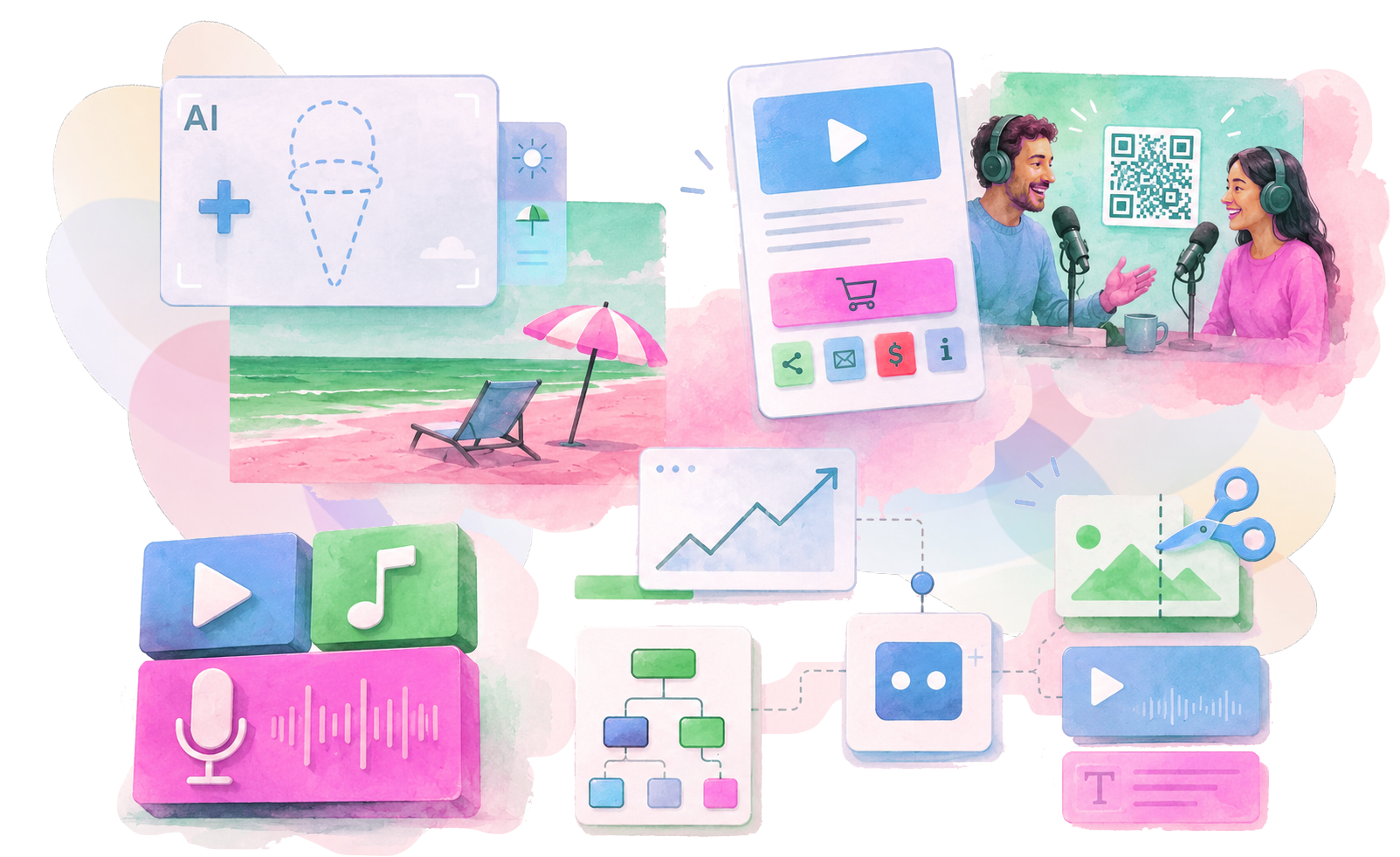
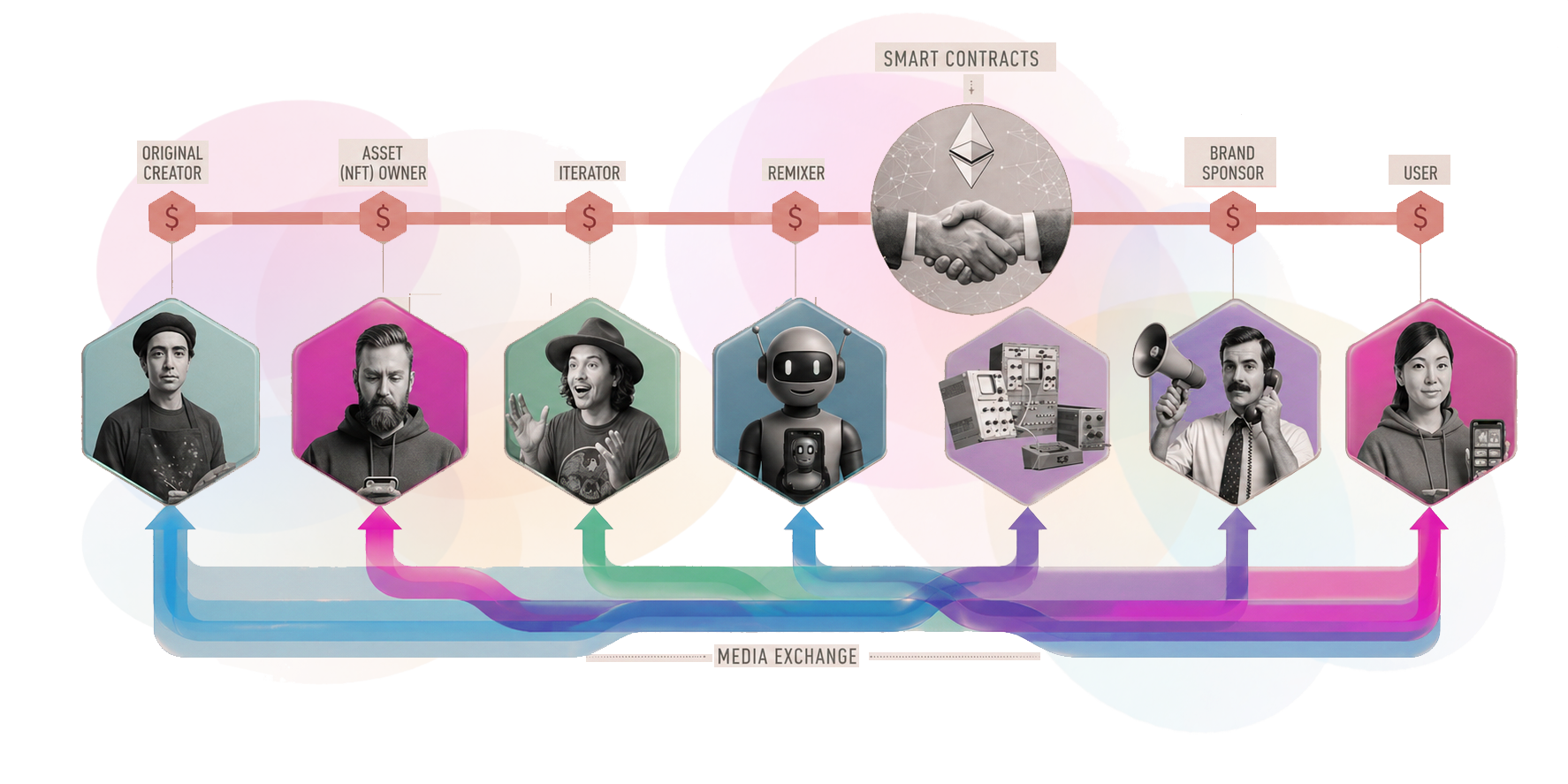
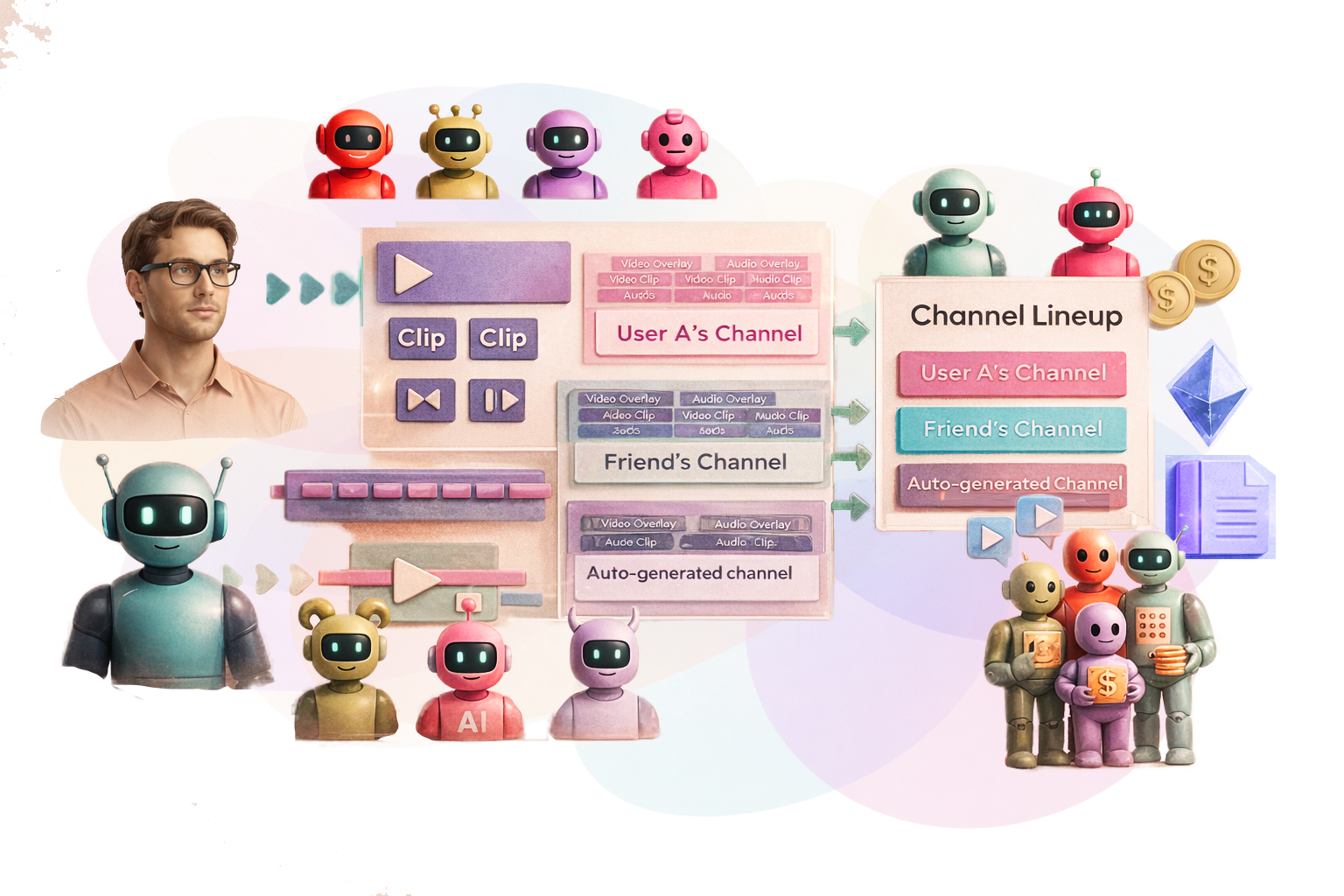
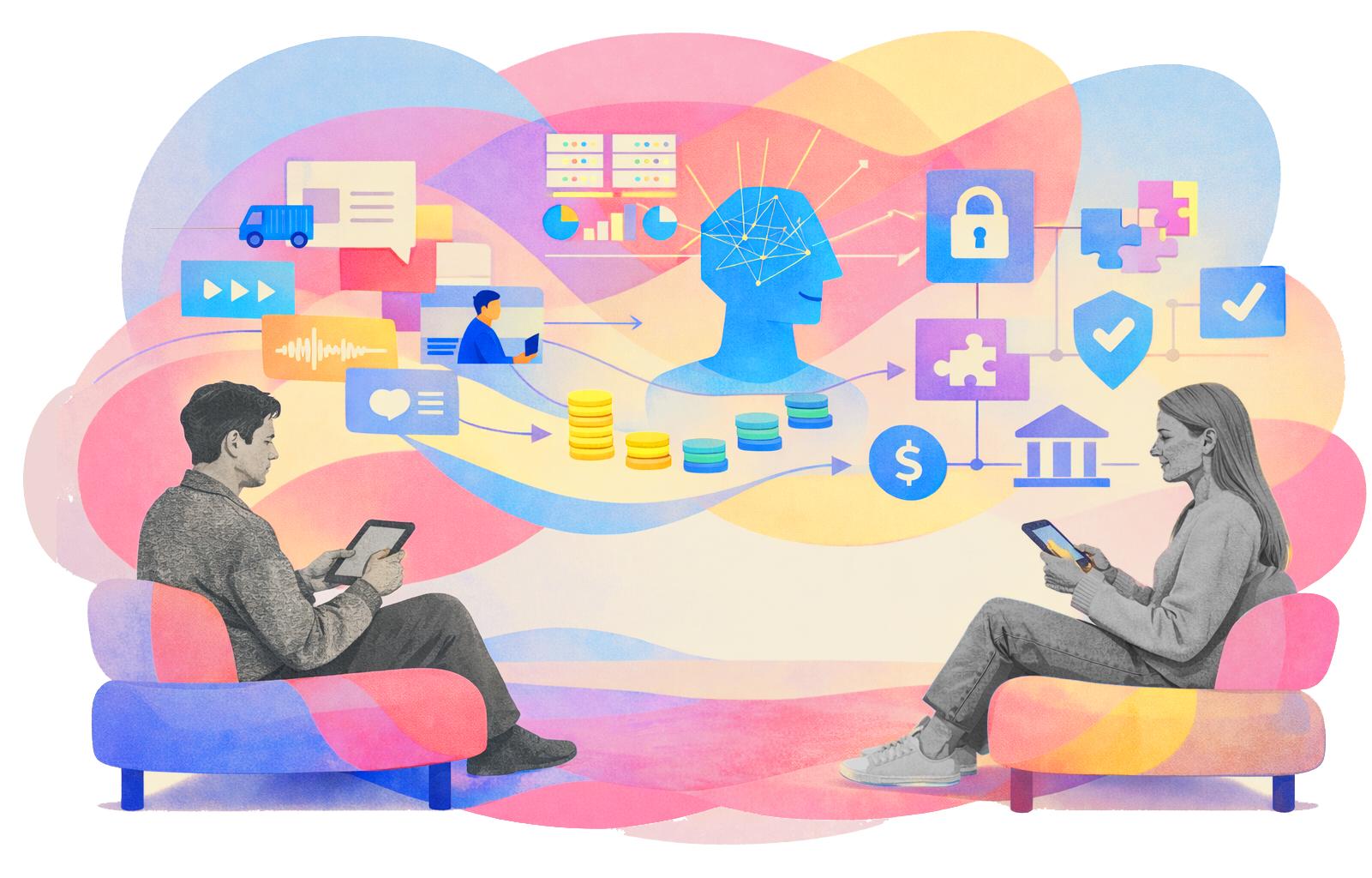



Every empty space on the internet is becoming intelligent. As websites, videos, apps, and digital environments adapt to each person, media and advertising can blend into programmable experiences that respect the goals of creators, audiences, brands, and platforms. AI agents can curate multilayered mixes, add contextual content, synchronize experiences across devices, and create dynamic sponsorships or calls-to-action while preserving creator attribution, user control, and automated revenue sharing.
Instead of creators losing money every time their work is clipped, remixed, or layered with ads, the Programmable Media system tracks usage at the media level and pays all contributors automatically. Intra.Luxe turns media into digital assets where ownership, terms, and revenue split and travel with the content across platforms, devices, and remixes. It’s streaming media + fintech + AI agents working together
This article looks at how AI agents step into that gap as content producers working with what already exists. They search, curate, assemble, format, and distribute media across devices and platforms while handling payments and attribution automatically. The key distinction is governance: because the rules travel with the media structure itself, agents can operate at scale without becoming a liability. And as fractional payments become automatic and attribution becomes precise, what creators choose to make may start to shift in ways that are worth paying attention to.
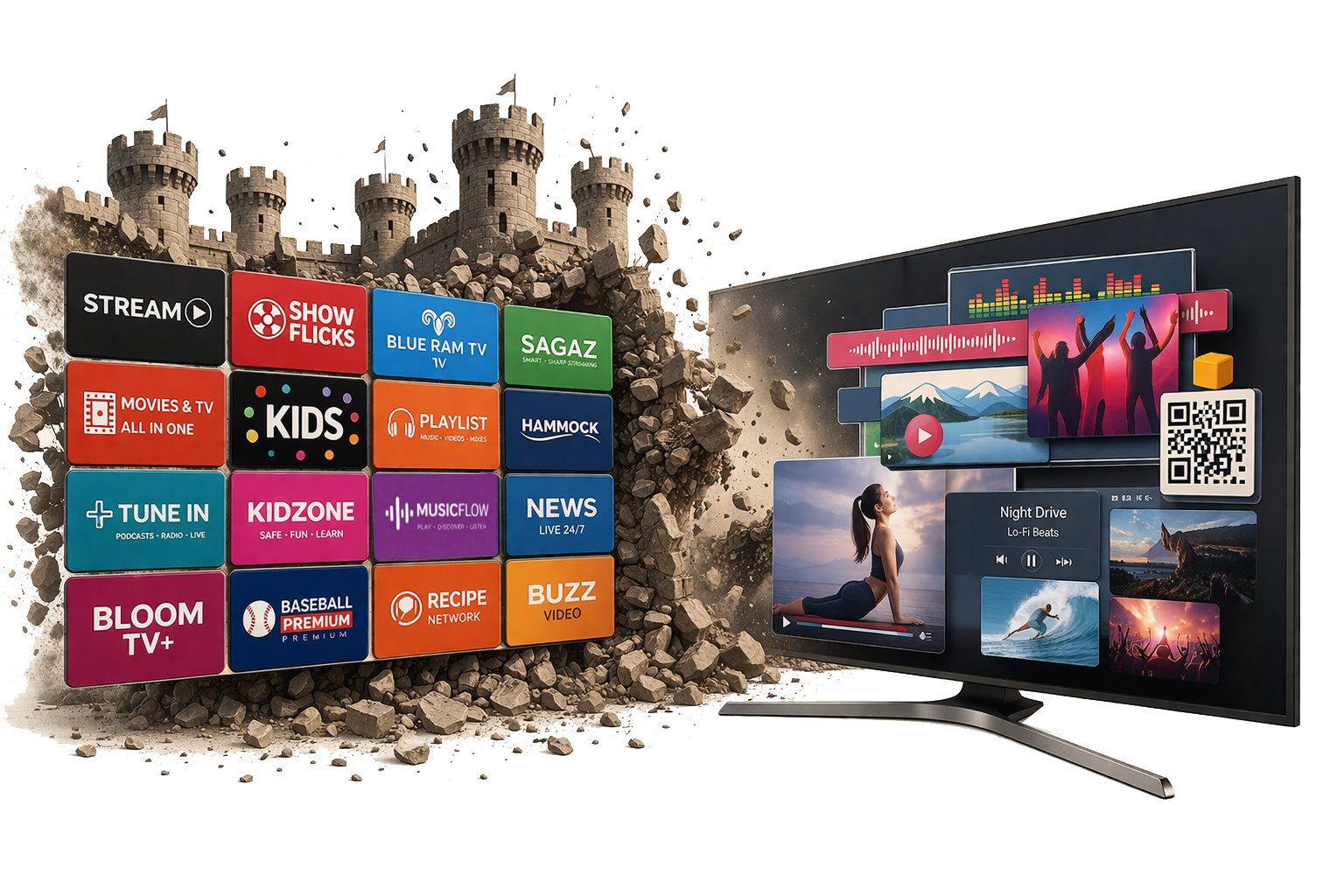
Streaming promised to fix what cable broke and instead rebuilt the same walls with better branding. This article outlines a new model where content from any source can be clipped, remixed, and assembled into living channels, with every contributor in the chain getting paid automatically from the moment their work moves.
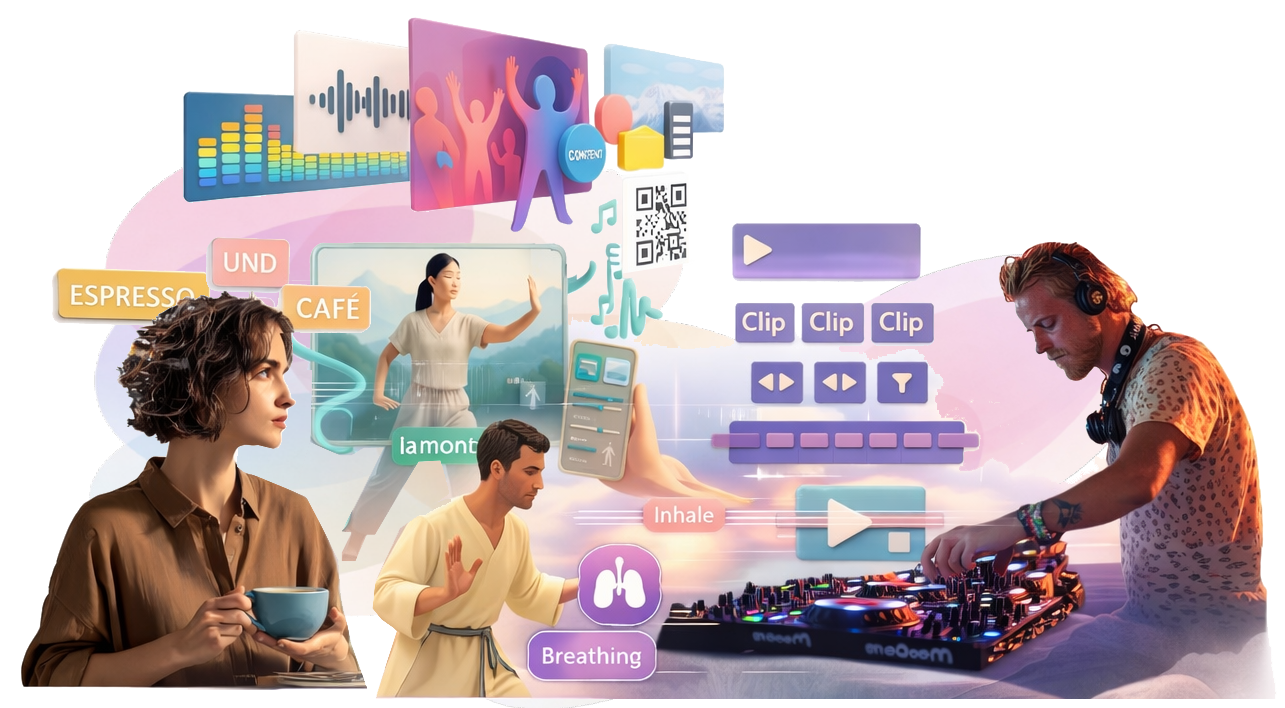
In this article we discuss solutions for creators, cultural institutions and curators. Programmable media goes beyond the capabilities of conventional editing tools, which export flat files. Instead these layers can be reconfigured for interactive, cross-device uses such as VJing, transforming video podcasts, or interactive education and fitness tools. Old content can be revitalized and reach new audiences, while transmitting payments to the original owners and the people who add these extra features. This is part 2 of the Infrastructure for Programmable Media series.
The media infrastructure we've built over the past few decades was never designed for the way people consume content today. Microdramas are generating billions but remain locked inside single-app silos. Broadway archives sit on hard drives with almost no public access. Fans remix and share clips constantly but without any legal or economic framework to support it. The platforms that benefit most from all this creative energy have no real incentive to fix it. This article makes the case that the problem isn't the content or the culture, it's the infrastructure underneath it, and that building something better starts with understanding exactly where the current system breaks.
AI agents are moving beyond screens into ambient experiences that interpret your intent from context, behavior, and biometric signals. They'll negotiate on your behalf and will do things like assembling content, executing payments, coordinating across platforms. But the issue is that when AI systems remix content from multiple sources, creators aren't paid most of the time, privacy boundaries don't exist, and rules are being treated like suggestions. The negotiation between your agent, creator systems, and platforms is already starting to happen. We've seen this pattern before when digital music distribution scaled faster than payment infrastructure. The difference this time is that we can build a better way to manage all this before things break.
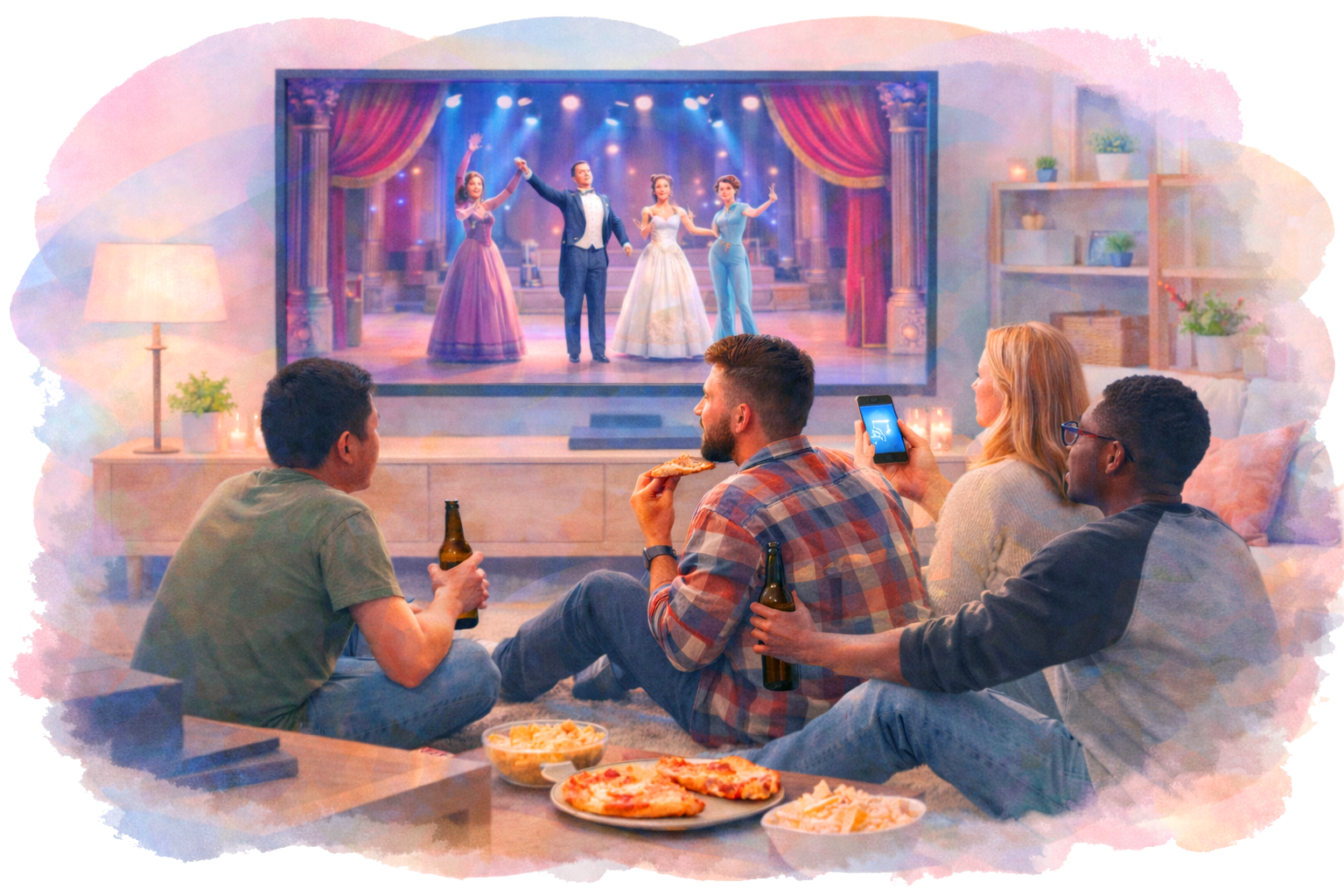
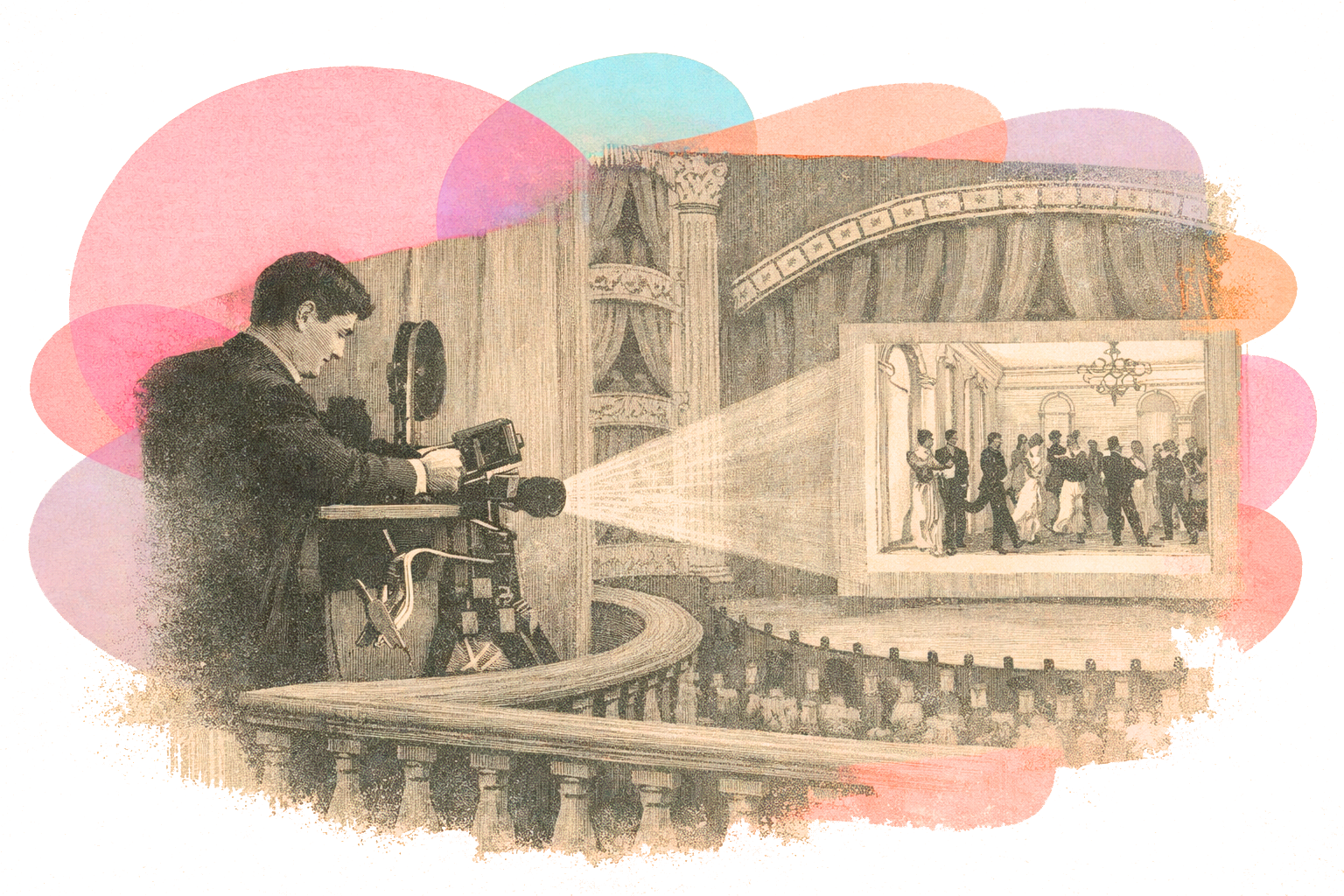
Instagram is bringing Reels to TV via Amazon Fire TV devices, but it's not Social TV. Instead, it's just mobile content on a bigger screen. In this blog post we make a comparison to how early films emulated theater plays because it was porting over an old way of doing things onto a new environment. This feels similar. The real opportunity isn't going beyond mobile social feeds on TV and designing experiences for how people actually gather around screens.
December 2 is UNESCO World Futures Day, a reminder that everyone should have agency in shaping what comes next. In that same spirit, Ambistream has been hosting events, asking a variety of people their hopes, concerns, and predictions for a post-AI world. Their answers reveal what people actually want: human connection, creative tools guided by values, and technology that adapts to how we want to feel. Read the full conversation
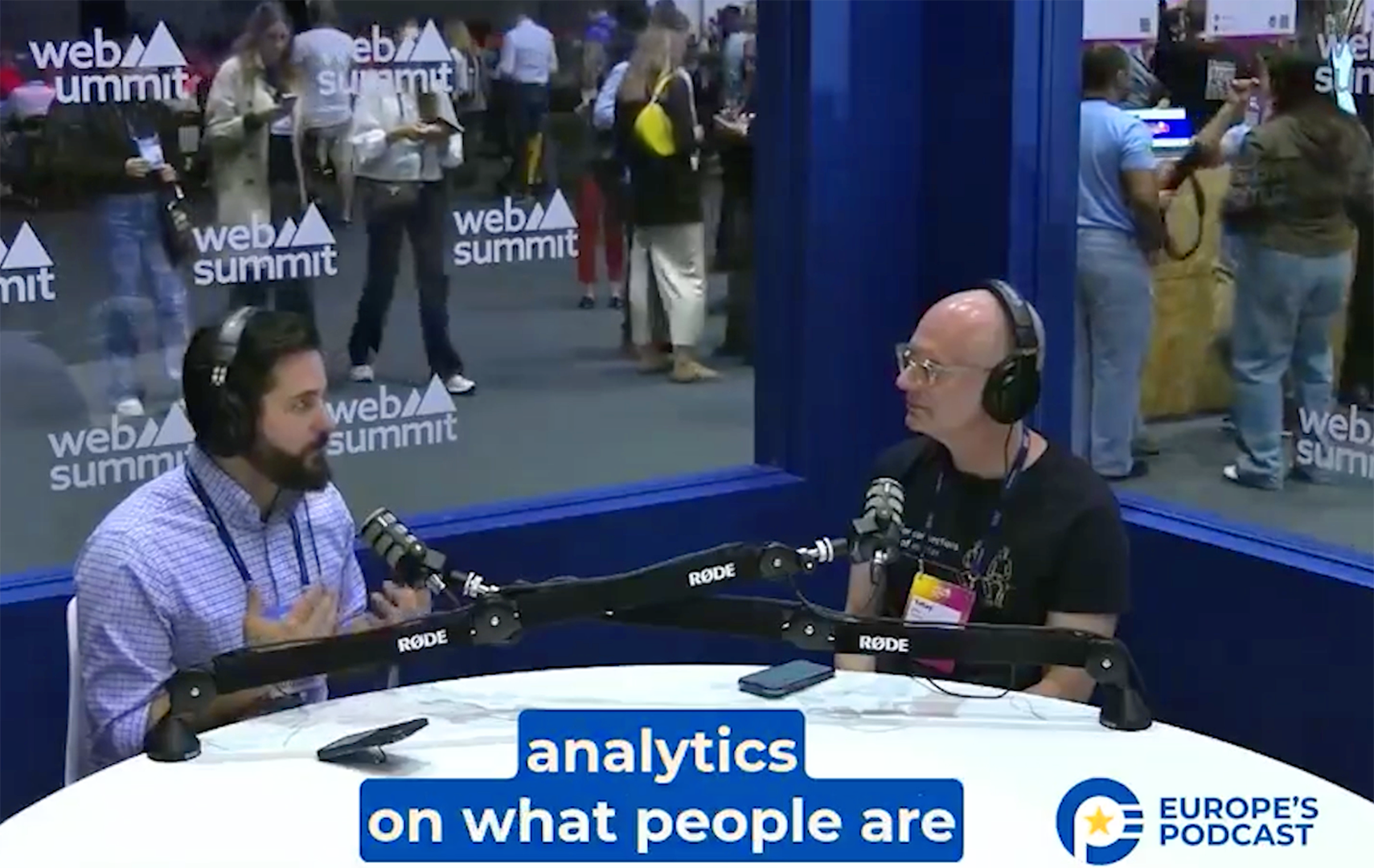
In this podcast interview, Michael breaks down how social TV, legal remixing, and AI-driven media tools are reshaping streaming, why Hollywood’s old IP model is collapsing, how Ambistream works with cultural institutions and creators to test interactive channels, and why Europe’s AI regulations set the tone for global expansion. He also previews new AI content-producer agents that blend human editing with predictive media generation.
More AI Hot Takes, this time from the after parties, taking people’s real opinions after they watched hours of panels and speakers sharing their wisdom (or selling their company’s products)
More AI Hot Takes, this time from serious and regulation-minded people.
The Unofficial Web Summit LGBTQ+ Party at The Late Birds Hotel brought together queer founders, VCs, and community members to share their perspectives on AI. From optimism about creative freedom to concerns about human connection, attendees offered unfiltered takes on how AI will reshape work, relationships, and the future.
Lisbon AI week included a fresh addition of AI Hot Takes. Creators, builders and skeptics came together at the AI Hub and shared ideas about how artificial intelligence will impact creativity, trust, and human connection.