
Instagram Reels on TV isn’t Social TV (yet)
Instagram is testing a TV app that brings Reels to big screens, starting with Amazon Fire TV devices in the U.S. You already know what Reels are, they’re those short videos that are like tiktoks or vines, but inside the Instagram app. This new TV app is designed to display a homepage with themed channels, such as vertical sports, music, food videos. It supports up to five Instagram accounts per device, and relies on TV remote navigation. Instagram has hinted at future phone-as-remote controls, but for now, it's point-and-click menus with videos that are navigated vertically.
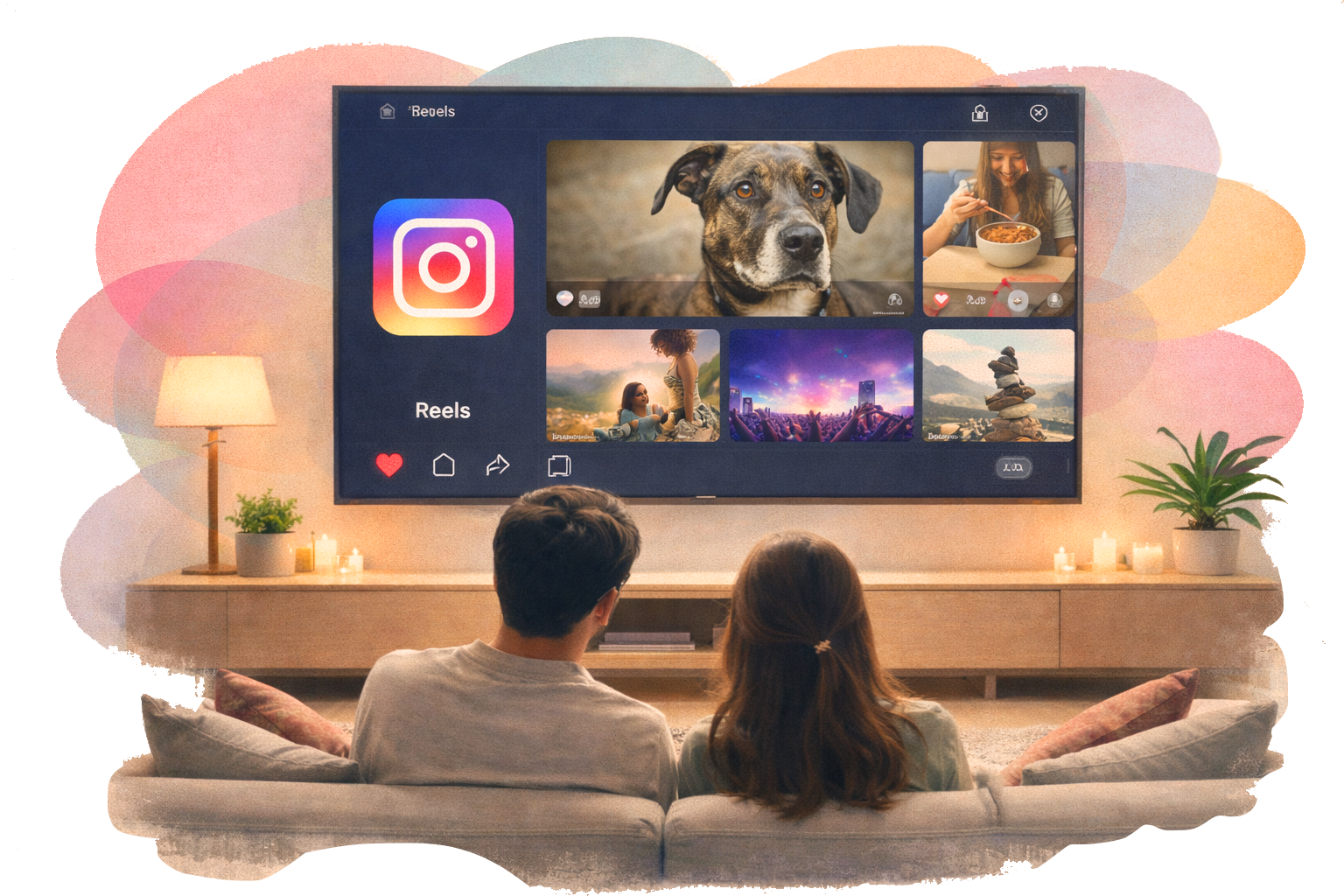
Getting on TVs is a smart move, for a few reasons. Big screens mean higher CPM for ads, TV content has lower skip rates, and prioritizing a lean-back experience instead of hunching over your phone is a good long-term strategy. But what Instagram is doing isn’t really Social TV yet. It’s the same content they’ve always had, just displayed on a different, albeit larger, screen.
Early Films Often Used Static Cameras
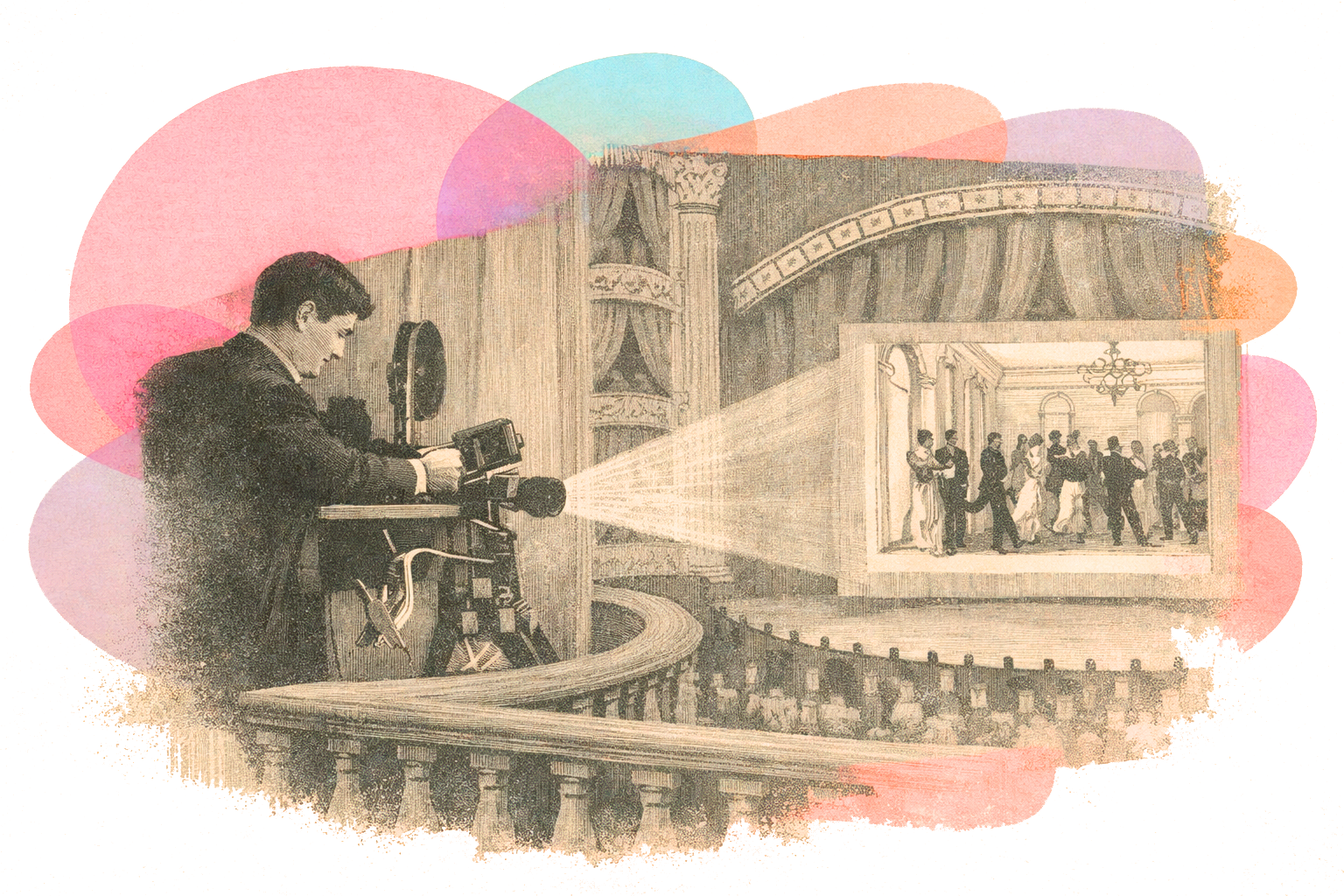
Early films borrowed heavily from theater before discovering their own language for the new medium. The first versions of film had static cameras, stage blocking, long takes, and theatrical acting styles. The current structure of film, with cuts, close-ups, and montages, came later. Early attempts at TV-ifying Reels feel like taking a mobile format and projecting it onto a bigger screen without rethinking pacing, interaction, or attention. The content technically works, but the experience doesn't.
This reminds of how the mid 90s, when companies would put PDFs and flyers online instead of building interactive websites. Reels on TV feels similar: the content is present, but the medium isn't respected. Early news sites preserved column widths and pagination instead of embracing scrolling and hyperlinks, and Instagram is doing the same by preserving feed logic instead of inventing a new TV logic.
It's still showing vertical video, which is a bit awkward on a 16:9 horizontal TV. It is nice to take the comments and play them beside the video. And I guess AI will eventually auto-edit horizontal and vertical content so it won't matter. But right now, it's just VOD menus with point-and-click navigation. How innovative. [Sarcasm intended.]
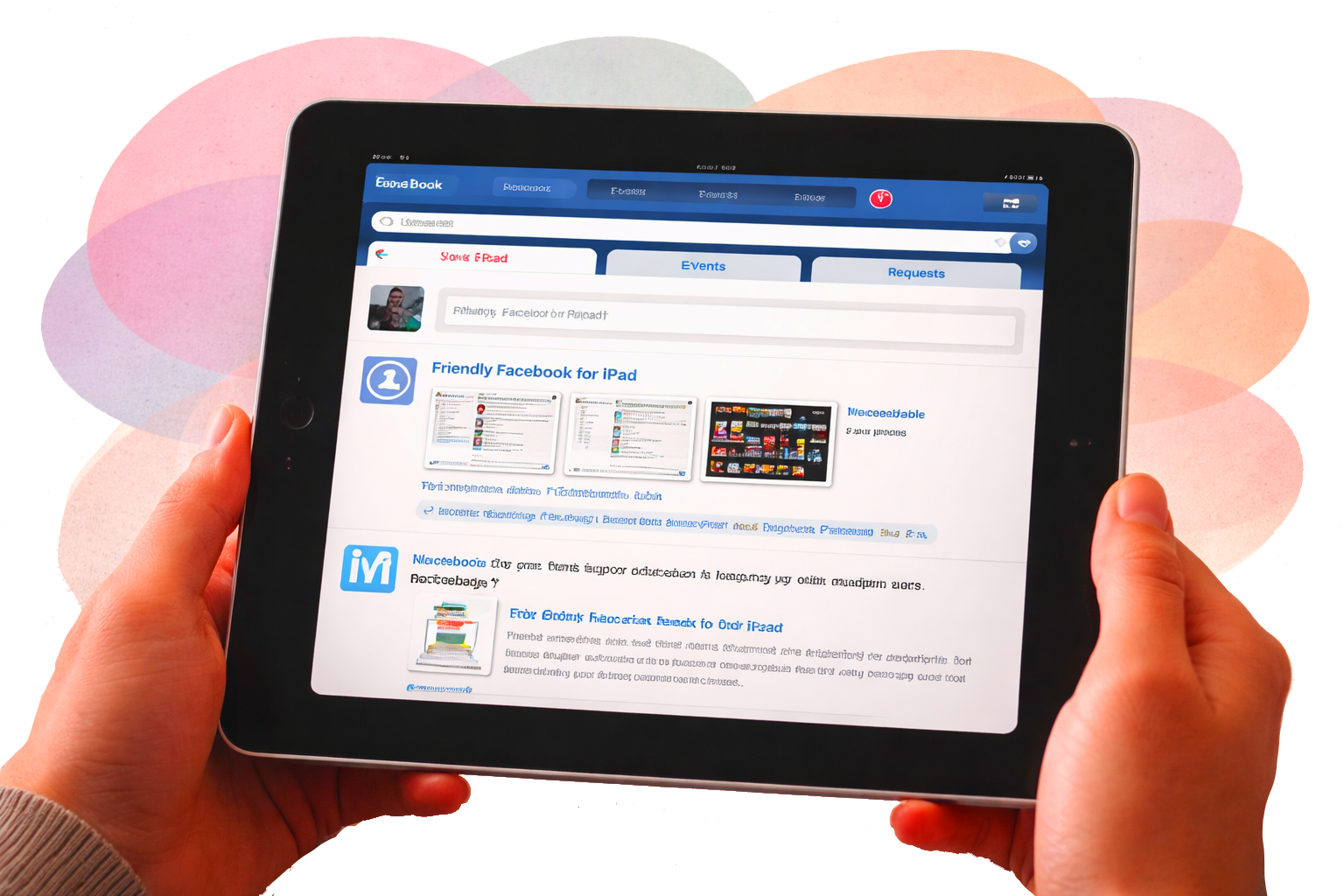
It reminds me of when Facebook didn't make an iPad app for years, people just had to use a larger iPhone app on their big screens.
The Opportunity Being Missed
There's an opportunity for YouTube and Instagram clips and full versions of video podcast shows to be ported to TV in a more natural way. That would be cool. But Instagram is catching up to YouTube in bringing vertical short-form video to TV, TikTok reportedly working on a TV app, and Netflix investing more in creator-led shows and video podcasts, and YouTube launching a Netflix-like overhaul for its TV apps.
We've been saying it for a while now: TV is the next frontier. Cable TV is dying retiring, Hollywood is imploding, and a lot of people are fed up with doomscrolling on the 2005 era social networks. There needs to be something beyond basic streaming. It still feels good to hit buttons on one device or remote and have the content change in real time. Old cable TV was clunky. Streaming apps feel better and more like how it should be. It seems like we're always trying to make that big screen relevant because it used to be held back by outdated cable services and now outdated streaming services.
What TV-Native Social Actually Looks Like
Last year at the CultTech Summit, I used the term Social TV on stage to describe something I felt was missing from both streaming and social media. The idea came from watching how people already behave around screens in living rooms, cultural spaces, and events. Television is still a shared object, but the tools around it never caught up.
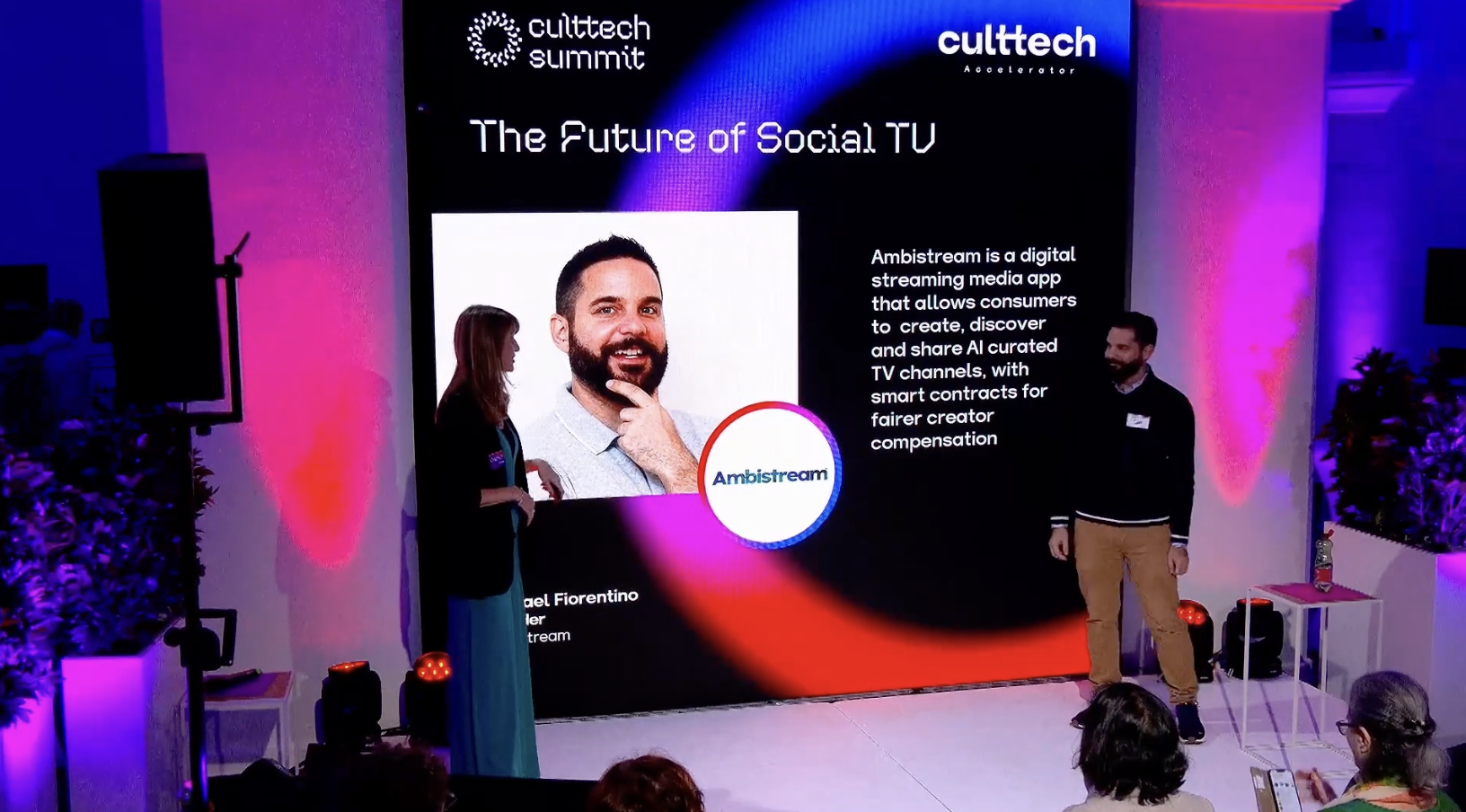
At Ambistream, we've been building toward that definition of Social TV, distinct from FAST (Free & Ad-Supported TV) models where one company controls the content, the ads, and the rules. TV-native social assumes the screen is shared, attention is fluid, and people in the room should be able to influence what's happening:
The phone acts as the controller while the TV serves as the shared screen. Cross-device and QR-based pairing allow anyone in the room to join quickly, whether at home or in a venue. The experience is designed for groups and shared moments, not individual scrolling.
Channels behave the way TV should behave. Viewers can move channel up or down through scheduled flows, while creators and hosts program and update those channels from the backend. Navigation is lean-back and predictable, without infinite feeds or opaque ranking systems.
Media can be changed in real time. Layers of video, graphics, animations, audio, and QR codes can be turned on or off as content plays. Hosts and viewers can influence what appears on screen during live events, performances, or shared viewing sessions.
On-screen elements provide context such as attribution, links, or prompts. These elements can change dynamically and support both passive watching and active participation. Different devices can play different roles at the same time—video on the TV, audio on speakers, interaction on phones. The room is treated as a coordinated system rather than a single display.
Creators remain in control of their channels. They can upload media, create mixes, and update programming in real time without relying on opaque recommendation algorithms. Each piece of media carries attribution, licensing, and payment logic so contributors are credited and compensated automatically as content is reused and remixed.
Interaction evolves beyond remotes and phones. Gestures, voice commands, and AI-driven adjustments let the experience respond to who's in the room, what mood they're in, and how they want to engage. The system adapts to context rather than forcing everyone through the same hand-oriented interface.
AI supports the process without taking control. AI agents assist with editing, production, and curation, while humans decide how much AI is involved. AI-generated contributions are tracked separately from human work so authorship and value remain clear.
The Future Is Integration, Not Domination
I see the future as an integration of open and closed systems. The TV space is opening into a media landscape where creators have more room to experiment, audiences can remix remixes, and shared viewing becomes playful again. Content can be watched together or layered with commentary that appears when it adds something. Bigger screens create space for experiences shaped by the people in the room, moment by moment.
Instagram, YouTube, and TikTok will probably continue building whatever serves their company interests. Meanwhile, I'll keep designing and showcasing the future in a more open way. They're welcome to join as a content source.