
AI Hot Takes: Socratic AI as part of Lisbon AI Week @ the Unicorn Factory
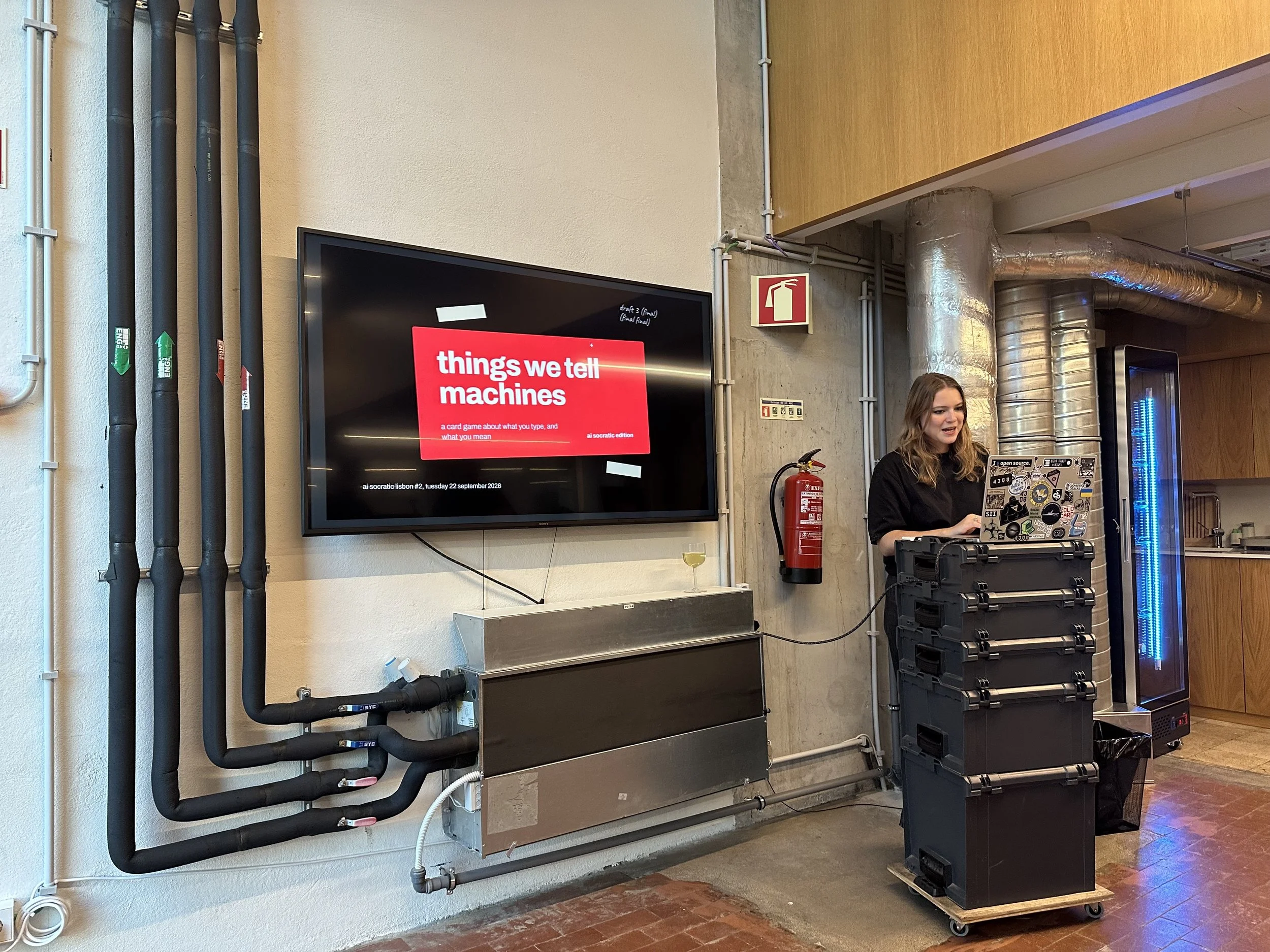
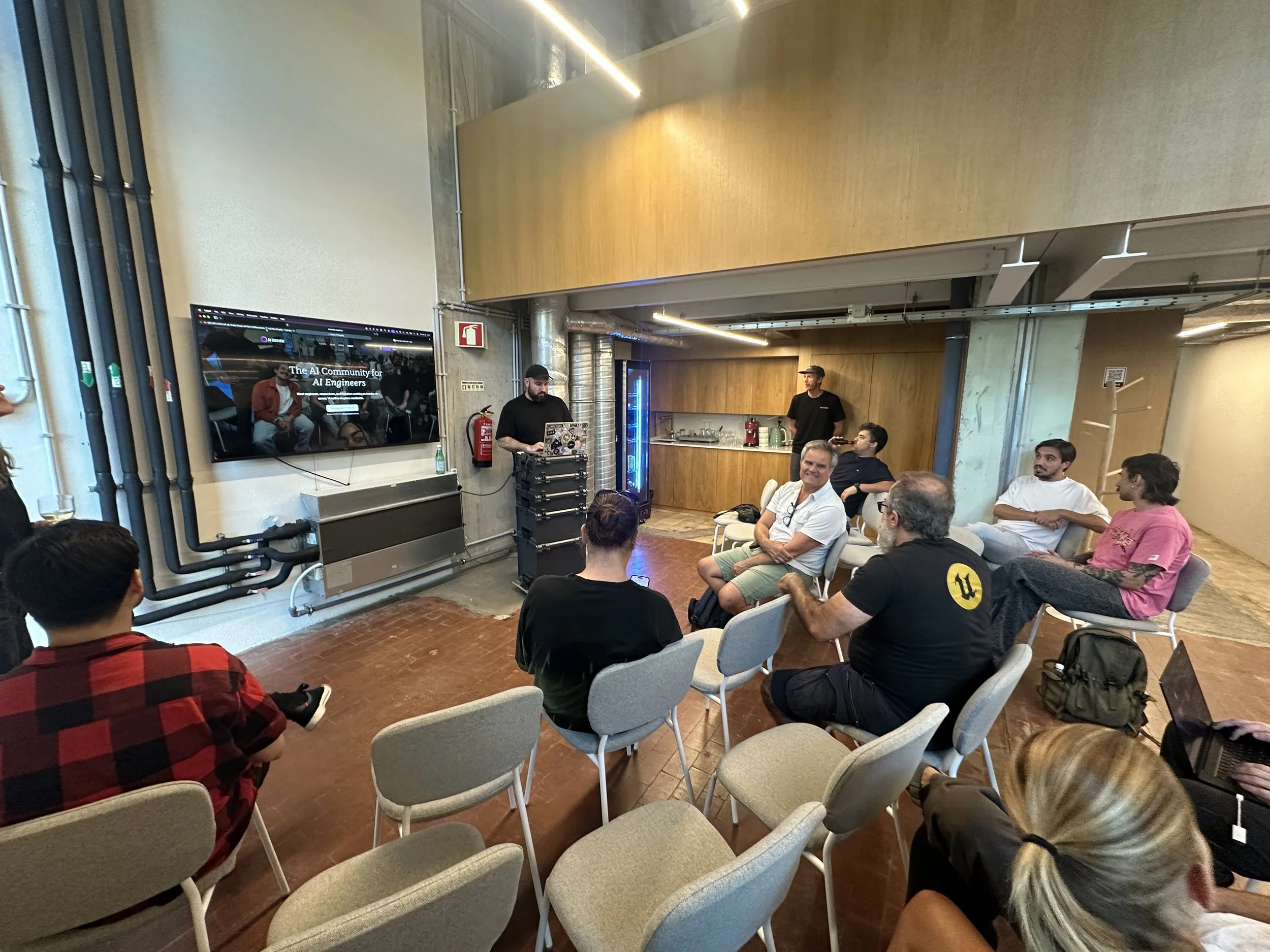
We went back to Unicorn Factory Lisboa in the Beato Innovation District during Lisbon AI Week, this time joining the Socratic AI event.
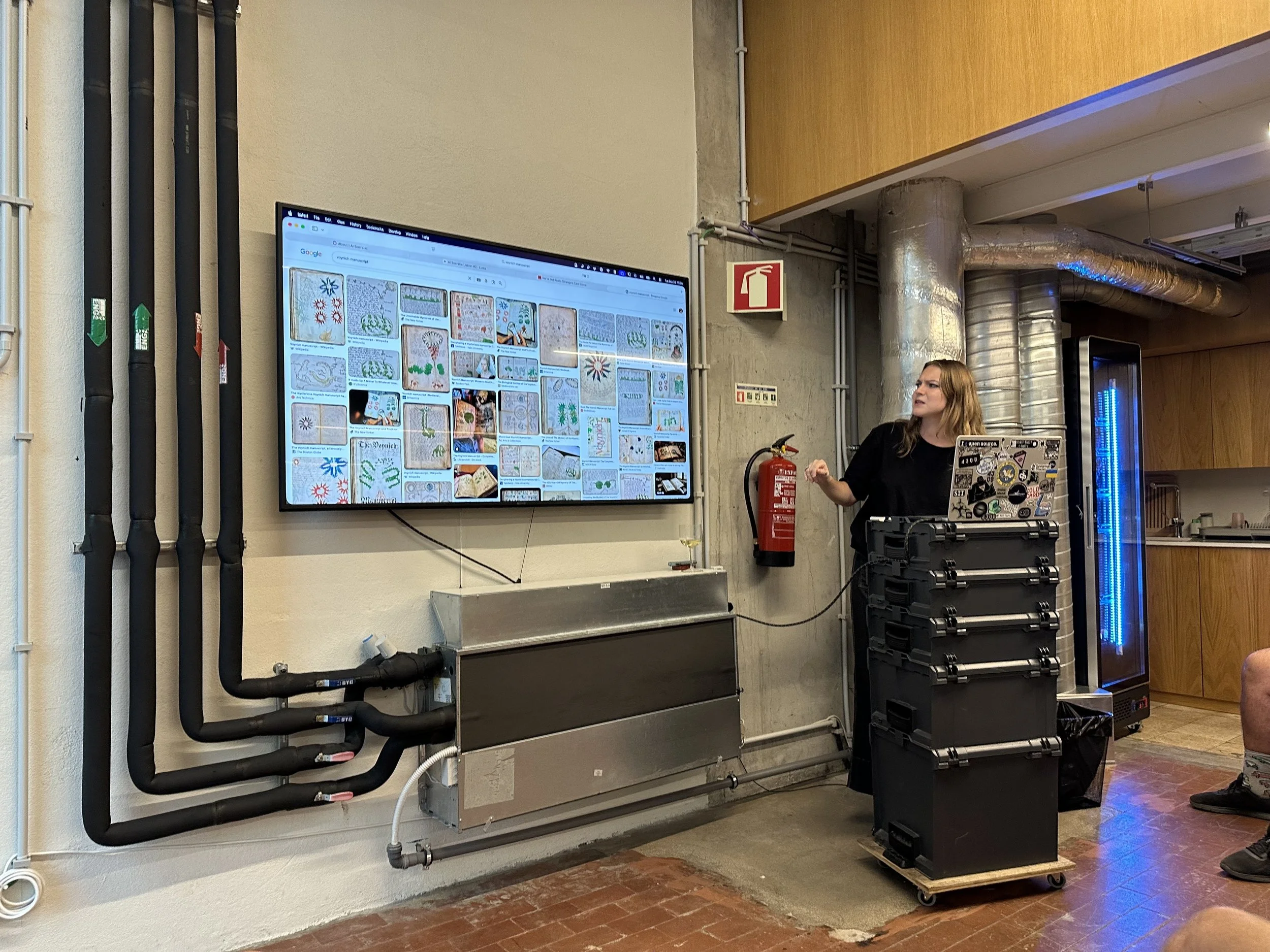
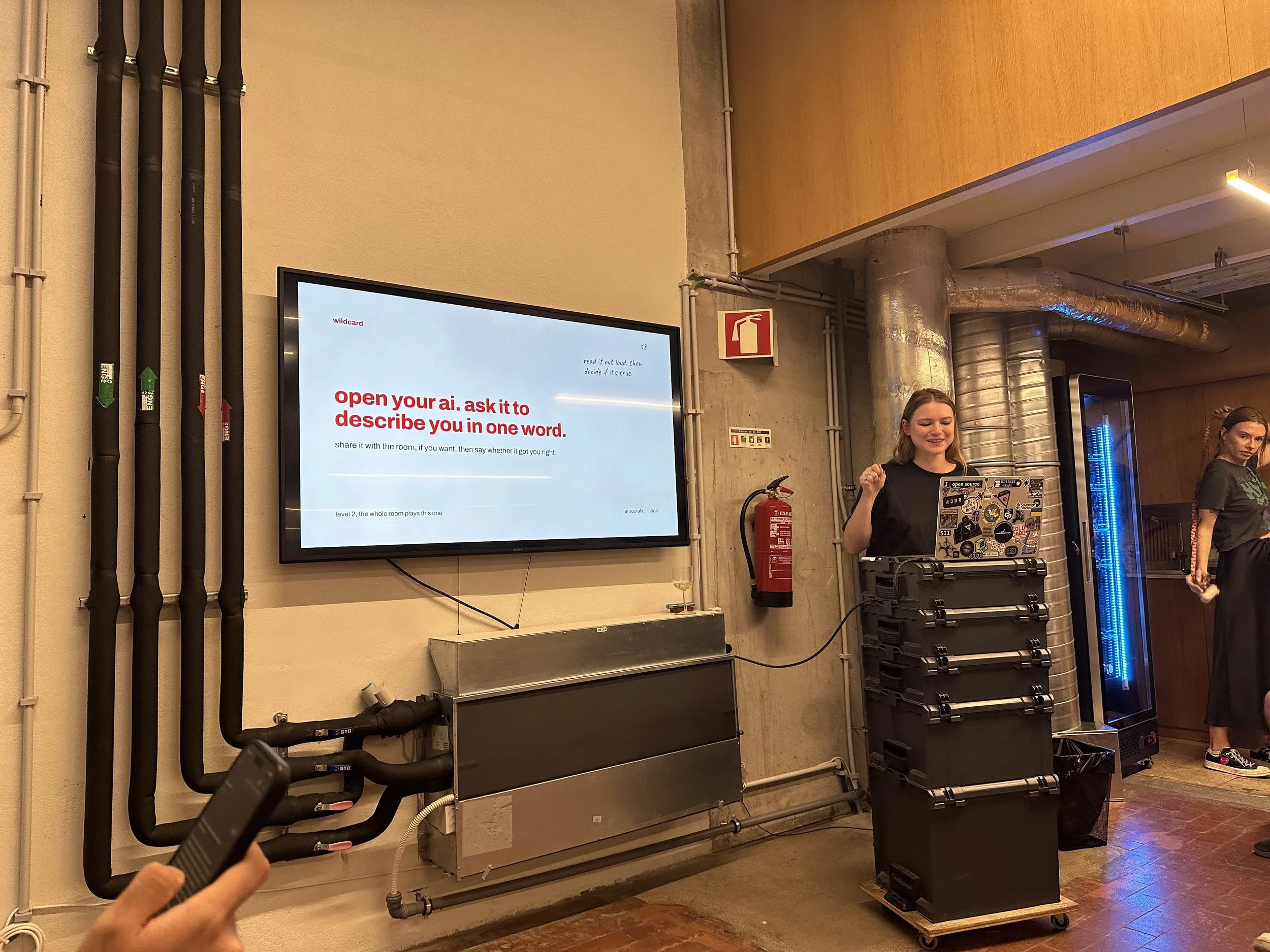
The format was a little different from our usual Bohemian AI Salon. Instead of hosting the whole evening ourselves, Michael gave a short presentation looking back at roughly a year of AI Hot Takes, covering the format, what we’ve heard across events in Lisbon and New York, which themes keep repeating, and how people’s views tend to become more complicated once you keep asking questions.
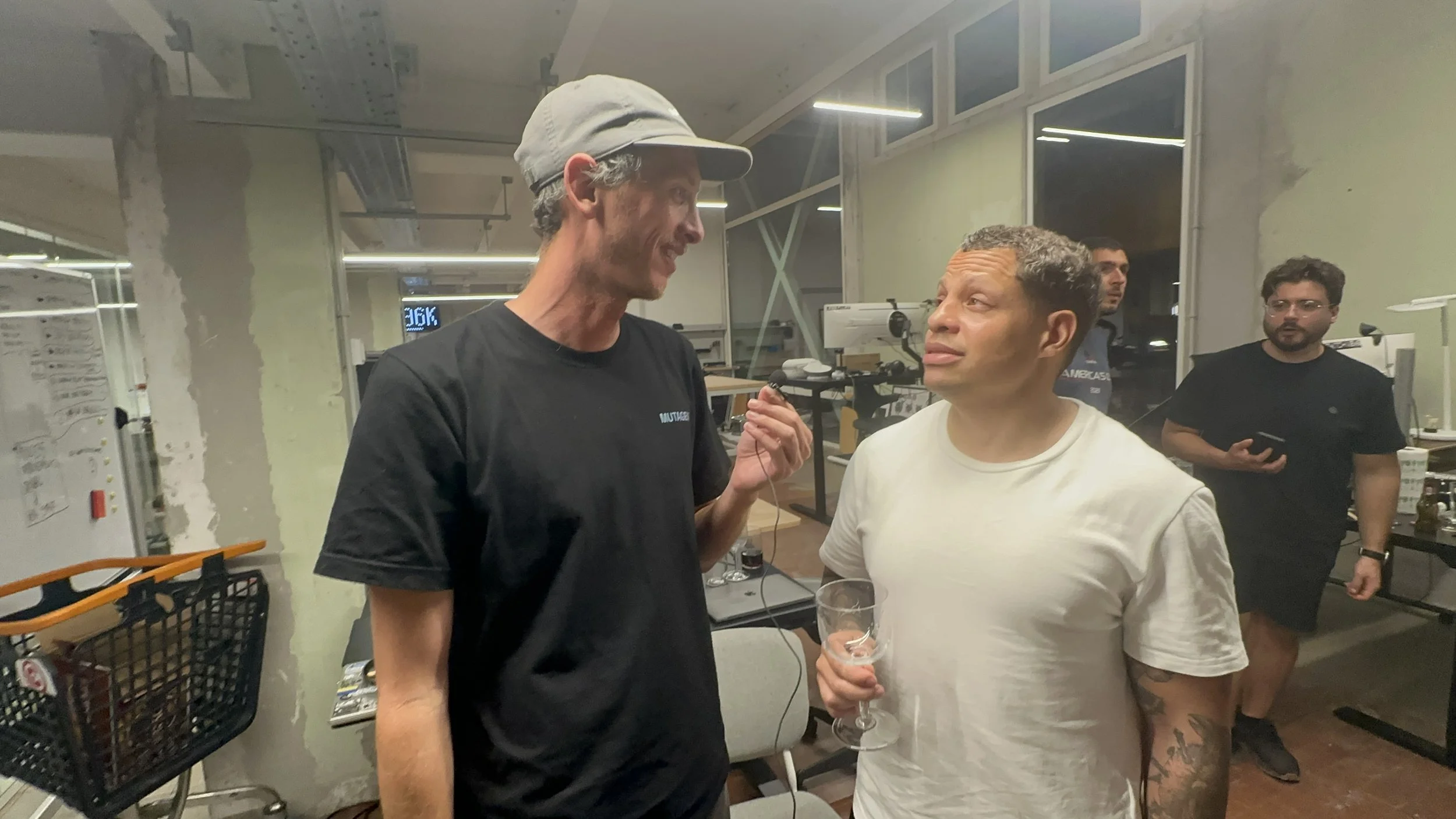
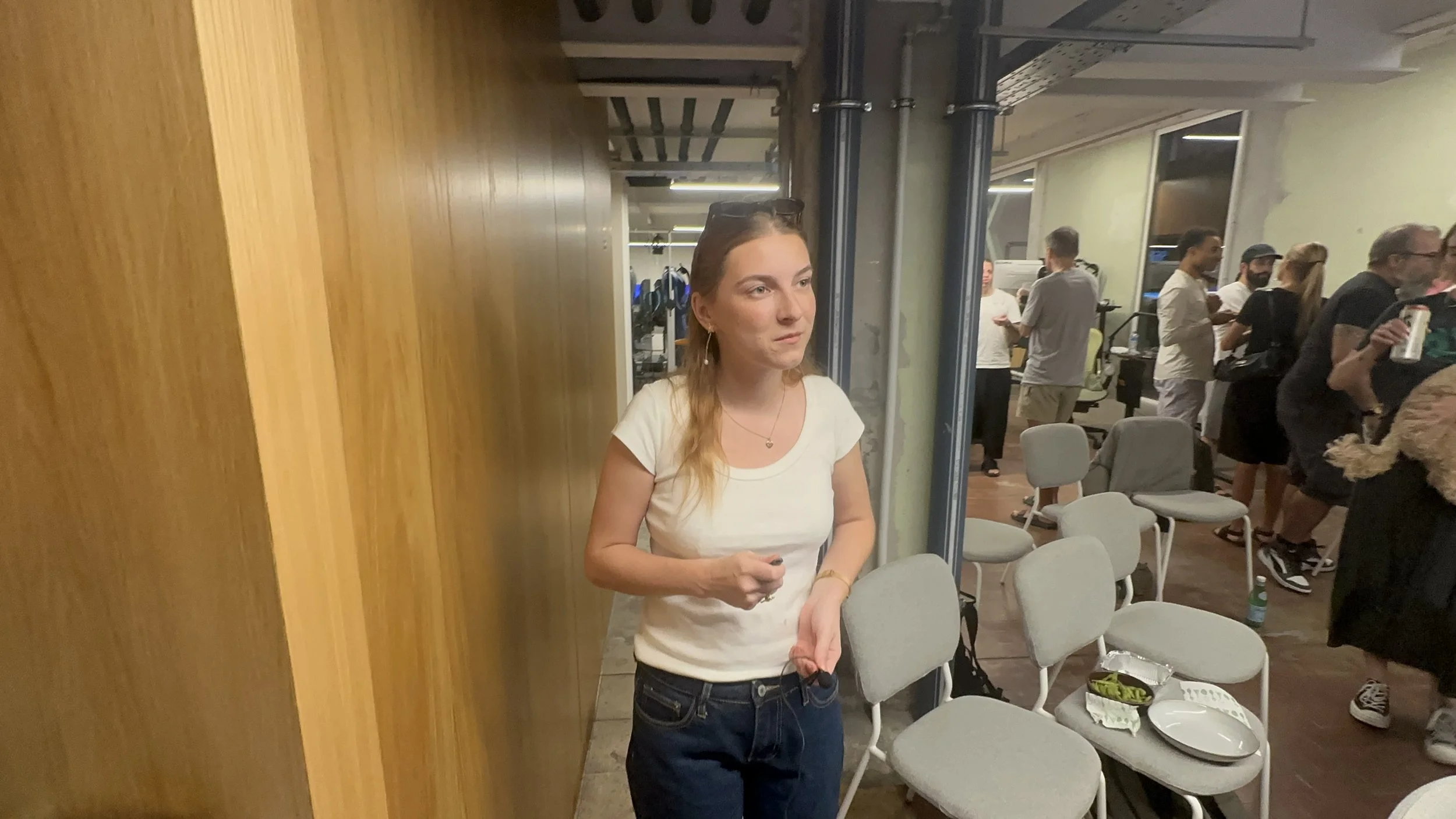
Then, at the end of the event, we started filming again.
A year of people trying to figure out how they actually feel about AI
One of the most interesting things about doing these interviews repeatedly is that the conversation rarely stays at “optimistic” or “pessimistic.”
At our previous AI Week New York salon, people initially divided themselves fairly neatly between AI maximalists and people who wanted more caution. But once the conversations got going, those categories started falling apart.
A few people talked about AI being useful while also worrying about the concentration of power behind it. One attendee argued that AI should be open source and decentralized rather than controlled by a small number of companies.
Another argued that what may become valuable is human imperfection, the hesitation, mistakes, and inconsistencies we have. That’s something that AI can’t reproduce (yet).
Others were much more concerned about privacy and control: what we share with AI systems, how little we sometimes understand about what is happening underneath them, and what it means to delegate more of our decisions to systems we don’t control.

Human judgment was a big theme
One of the strongest conversations was about the difference between using AI to help humans make decisions and gradually removing humans from the process altogether.
An attendee who works in financial crime prevention talked about the difficulty of finding the boundary between human judgment and automated decision-making. If AI generates the recommendation and the human simply validates it, are we still developing the judgment necessary to make those decisions ourselves?
Another participant pushed that idea further: if people increasingly talk to their AI agent instead of a friend, doctor, lawyer or other person, what happens to the human relationships and skills that those systems are replacing?
The “token industrial complex”
We also heard a new phrase from this edition: “the token industrial complex.”
The argument was that a lot of the AI economy is increasingly designed around getting people to consume more tokens. The conversation compared prompting to cheap calories, gambling, and even a kind of TikTok for engineers so they keep using the services.
And then there’s the money
Not surprisingly, the economic question came up too.
One person hoped that governments and companies would respond to AI-driven disruption with mechanisms like basic income. Their fear was that instead, the benefits would simply be captured by existing concentrations of capital.
Another put it much more directly: AI could widen the wealth gap if large companies use it primarily to reduce labor costs.
That echoes something we’ve heard at other events: people may disagree strongly about how dangerous AI itself is, but concerns about who benefits, who decides, and who gets left behind show up almost everywhere.
Should we slow down?
The strongest disagreement of the night was familiar. Some people argued that developers need access to the newest models and should continue pushing ahead because those systems can produce genuinely useful tools.
Others, including people who work with AI every day, said frontier model development should slow down dramatically because the risks are too poorly understood. One participant summed up the uncomfortable part pretty well: we are building systems whose behavior we cannot completely predict, and we may end up dealing with consequences that weren’t part of anybody’s original plan.
So what did we learn?
After a year of doing this, I’m less convinced that there are actually two clean camps of “AI optimists” and “AI skeptics.”
Most people seem to hold several ideas at once.
AI can be useful and dangerous.
It can expand creativity and weaken certain kinds of human skill.
It can democratize access and concentrate wealth and power.
It can help people make decisions and slowly make those decisions for them.
We’re happy to capture this moment in time and to document how people’s boundaries, fears, expectations and definitions of “acceptable” are changing while the technology is changing underneath us.
And then we’ll ask them again next year.
—
Here’s a link to the original event page: https://luma.com/9l8elcud?tk=lmZUm
And a link to the youtube video with the AI hot takes: https://www.youtube.com/watch?v=Qh5nv3BUrxM